[2025]
ARCHEOLOGY OF THE NON-WORLD
非世界の考古学 _ ARQUEOLOGÍA DEL NO-MUNDO
EDITORIAL COLLECTION
[EN] _
The discovery of the non-world exhibits a territory without a concrete place or time.
This collection of non-artifacts suggests the existence of a more complex civilization that observed and idealized humanity from afar. _
[ES] _
El descubrimiento del no-mundo revela un territorio sin lugar ni tiempo concreto.
Esta colección de no-artefactos sugiere la existencia de una civilización más compleja que observó e idealizó a la humanidad desde lejos. _
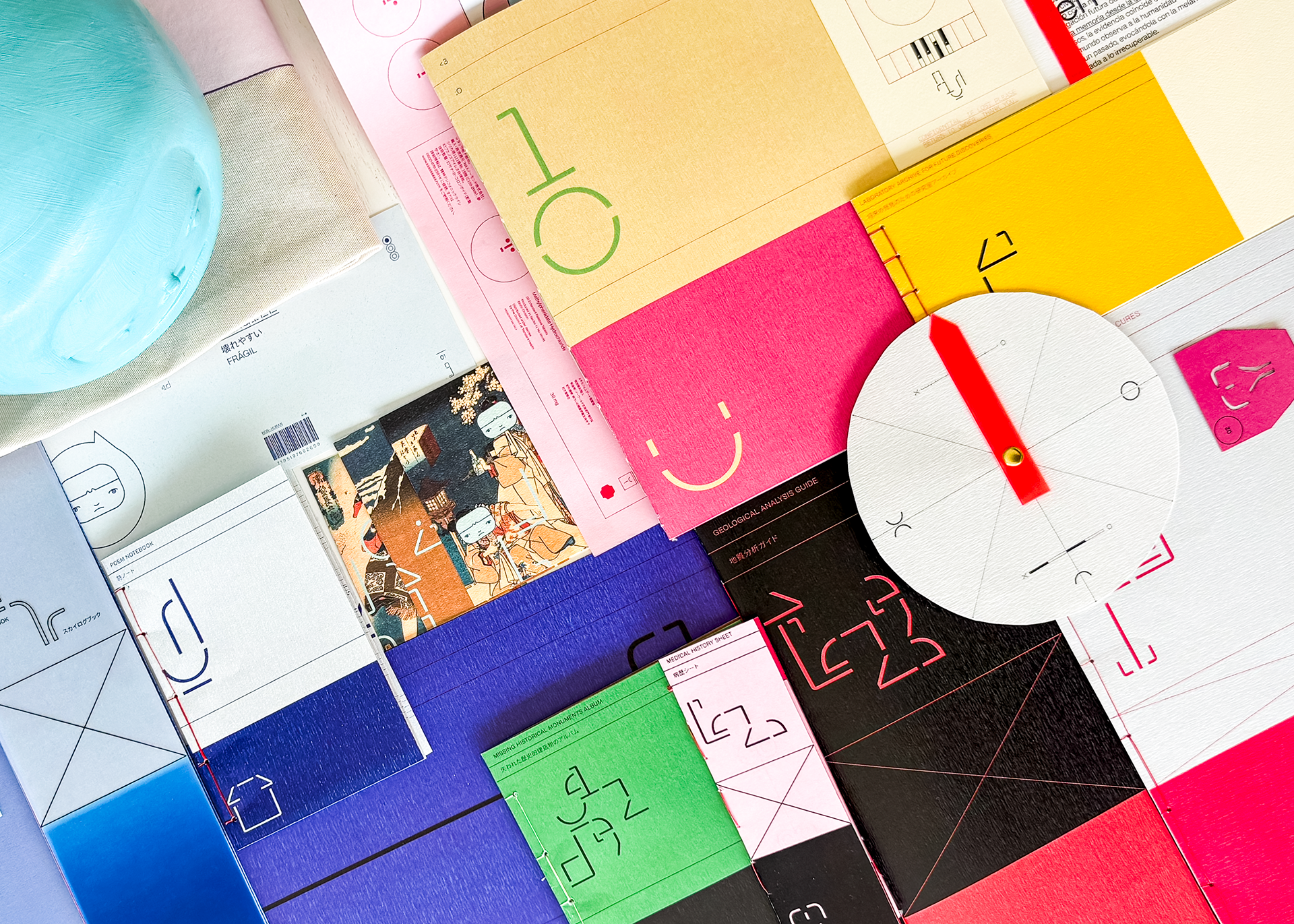
[EN] _
The question of the veracity of facts becomes recurrent in the face of highly authentic-looking images in circulation which, although fake, succeed in establishing themselves as evidence. This makes the speculations about post-truth imagined by Argentine writer Jorge Luis Borges decades ago increasingly relevant.
Faced with the imminent crisis of what is understood as truth, this project seeks to push the boundaries of the overtly unreal and explore how, through the depth of a visual narrative, design can craft an alternative notion of truth.
Questioning the idea of the image as evidence, the hypothesis focuses on imagining other types of futures, rejecting contemporary futuristic clichés and using fiction as a critical and design tool to speculate on the ways in which information is produced, organized, and legitimized.
[ES] _
La pregunta por la veracidad de los hechos se torna recurrente frente al auge de la circulación de imágenes altamente verosímiles que, aunque falsas, logran instalarse como evidencia. Esto vuelve cada vez más vigentes las especulaciones sobre la posverdad que imaginaba el escritor argentino Jorge Luis Borges décadas atrás.
Frente a la inminente crisis de lo que entendemos como verdadero, este proyecto busca empujar las fronteras de lo manifiestamente irreal y explorar cómo, mediante la profundidad de una narrativa visual, el diseño puede construir una noción (alternativa) de verdad.
Cuestionando la idea de la imagen como evidencia, la hipótesis se centra en imaginar otro tipo de futuros rechazando los clichés futuristas contemporáneos y haciendo uso de la ficción como una herramienta crítica y proyectual para especular sobre los modos en que se produce, organiza y legitima la información.
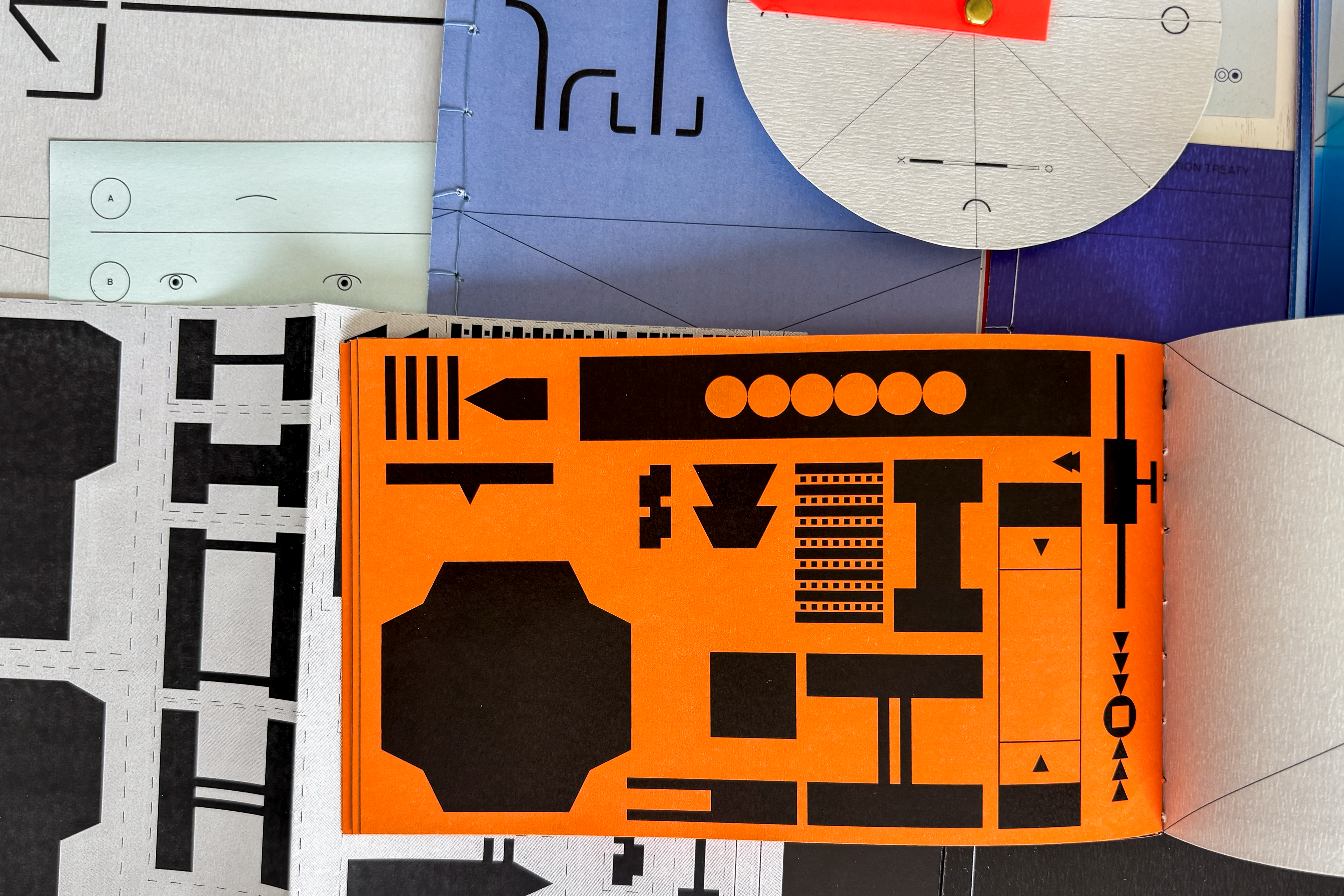
_ ✲
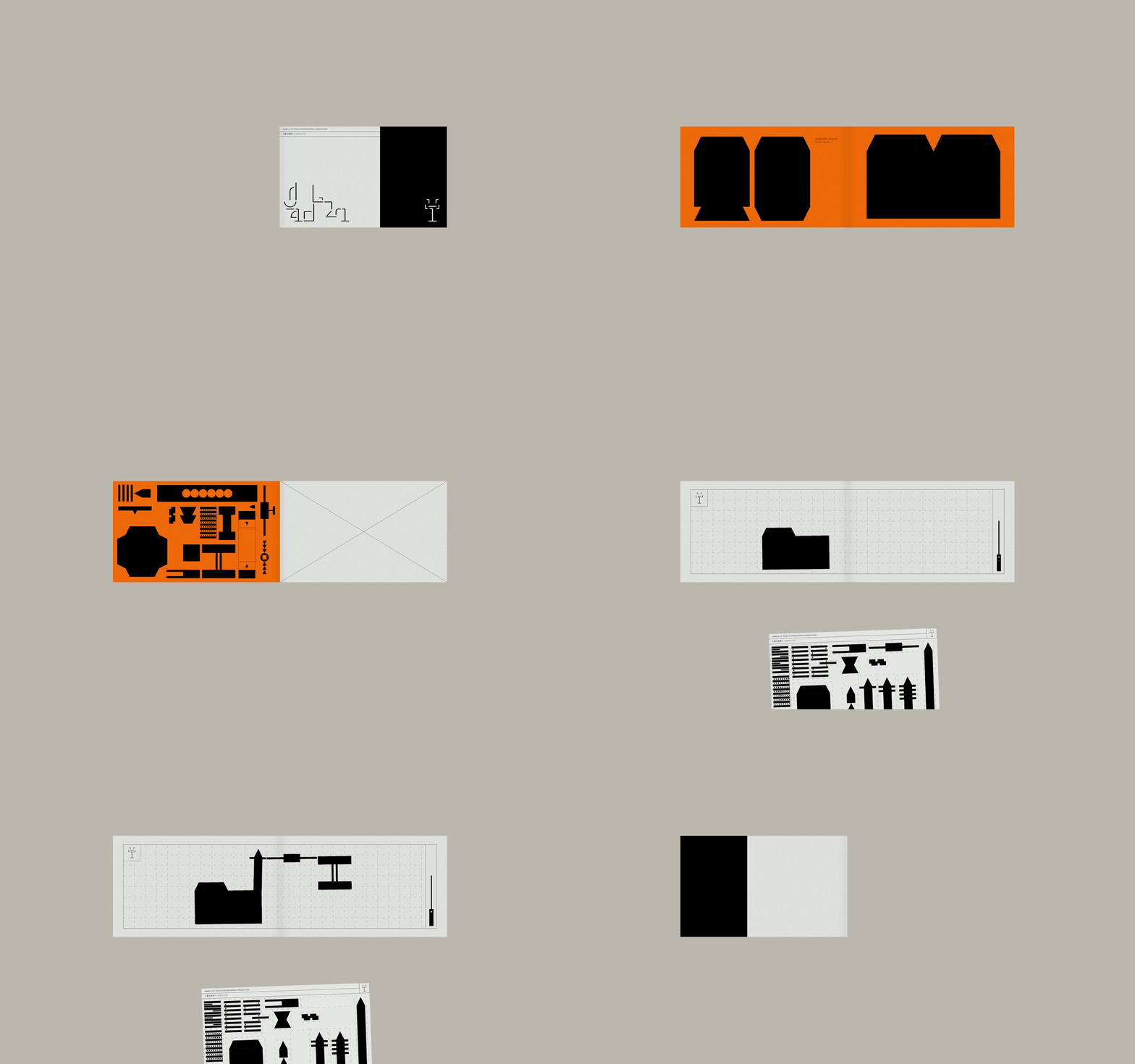
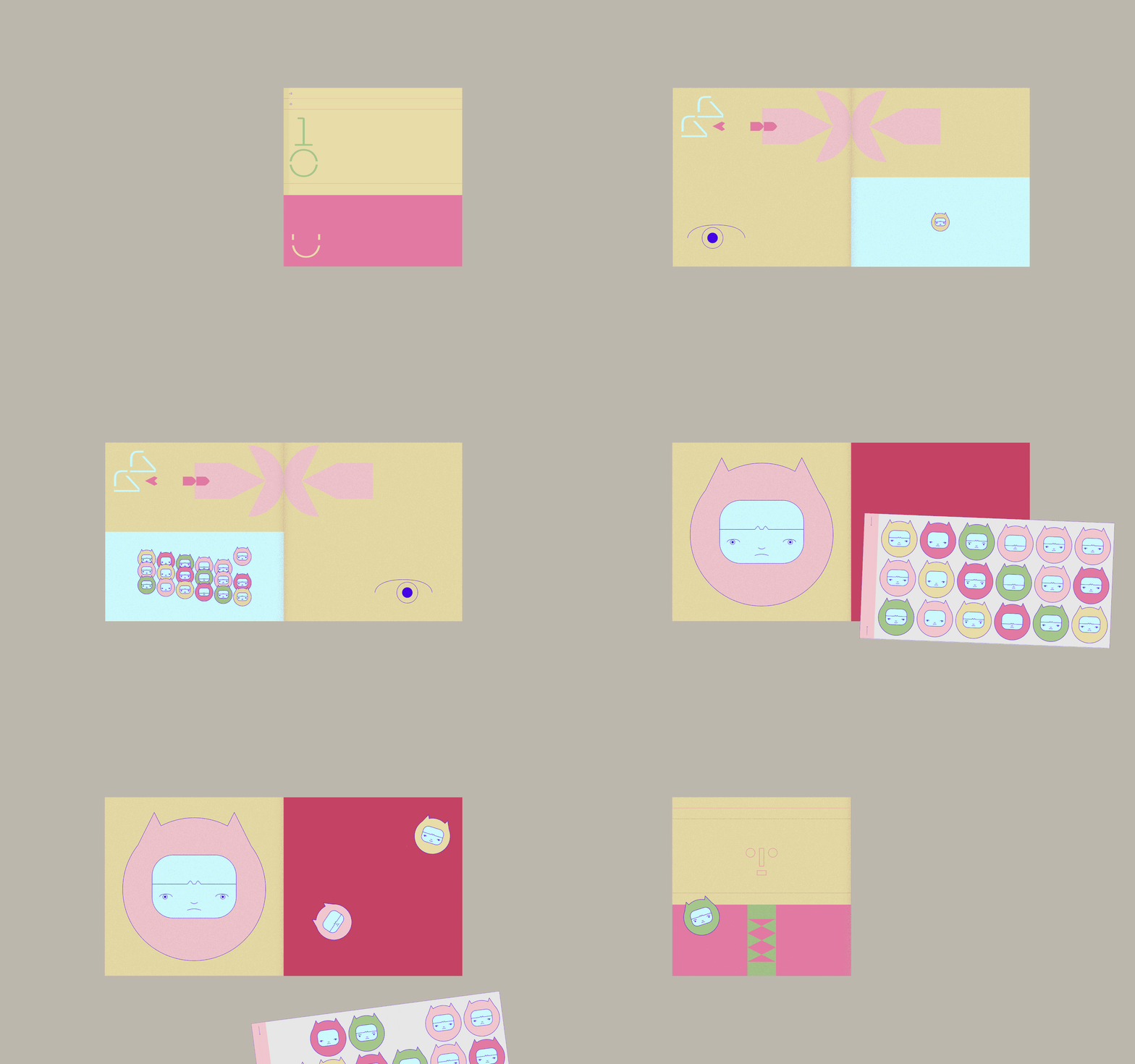
SAMPLE OF TOOLS FOR INDUSTRIAL PRODUCTION
工業生産用ツールのサンプル _ MUESTRARIO DE HERRAMIENTAS PARA LA PRODUCCIÓN INDUSTRIAL
[20 × 12 cm]
_ ✲
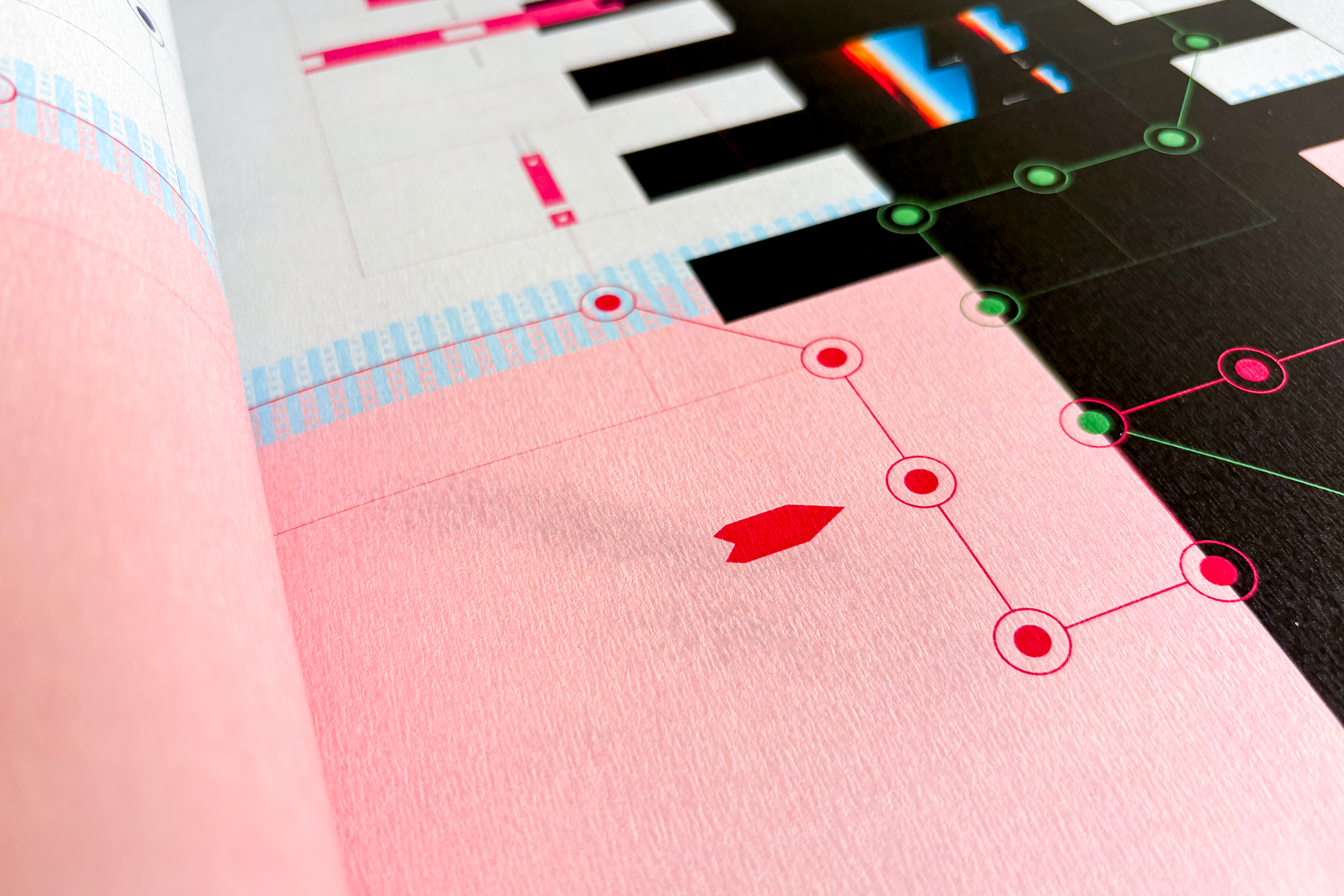
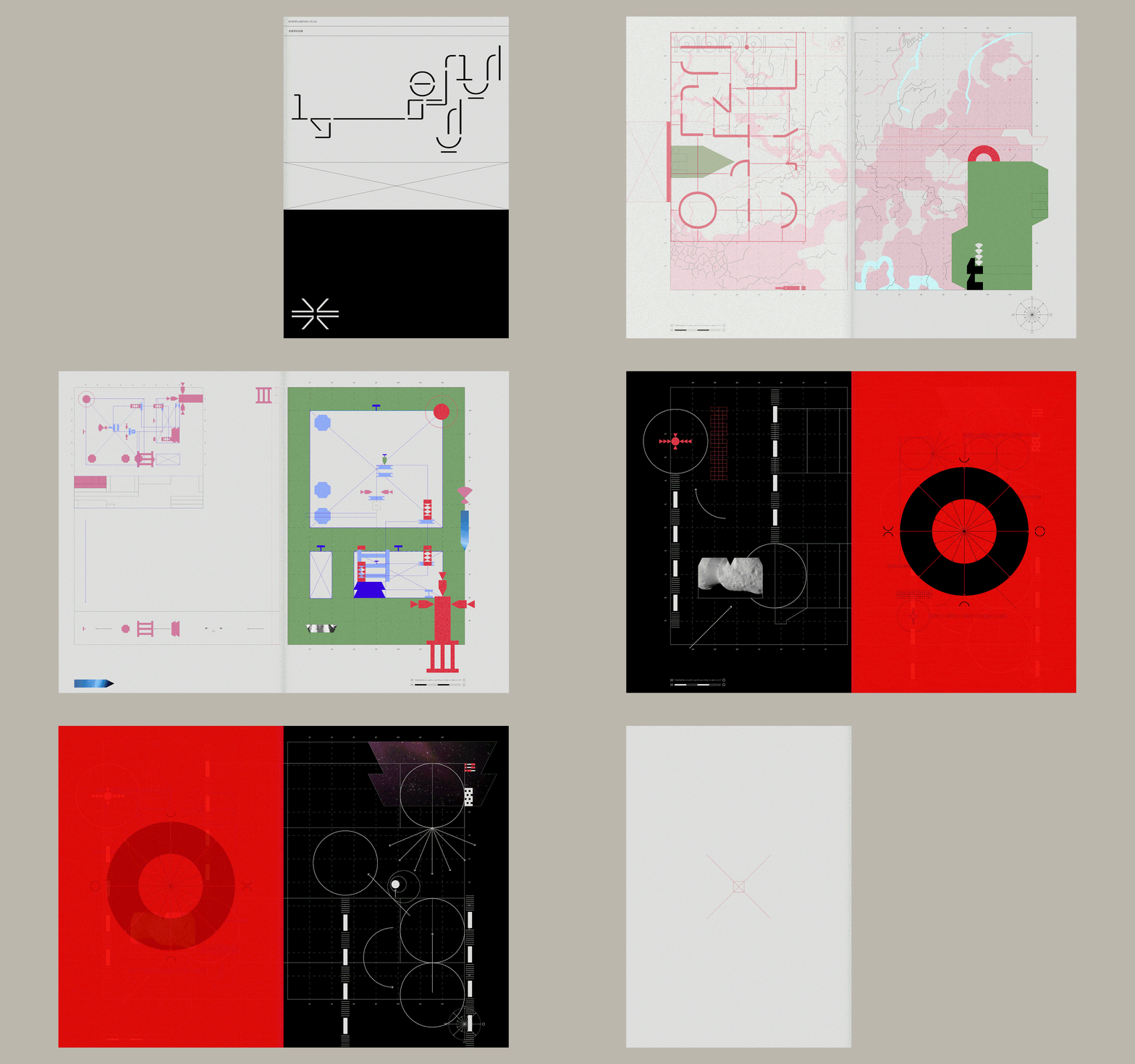
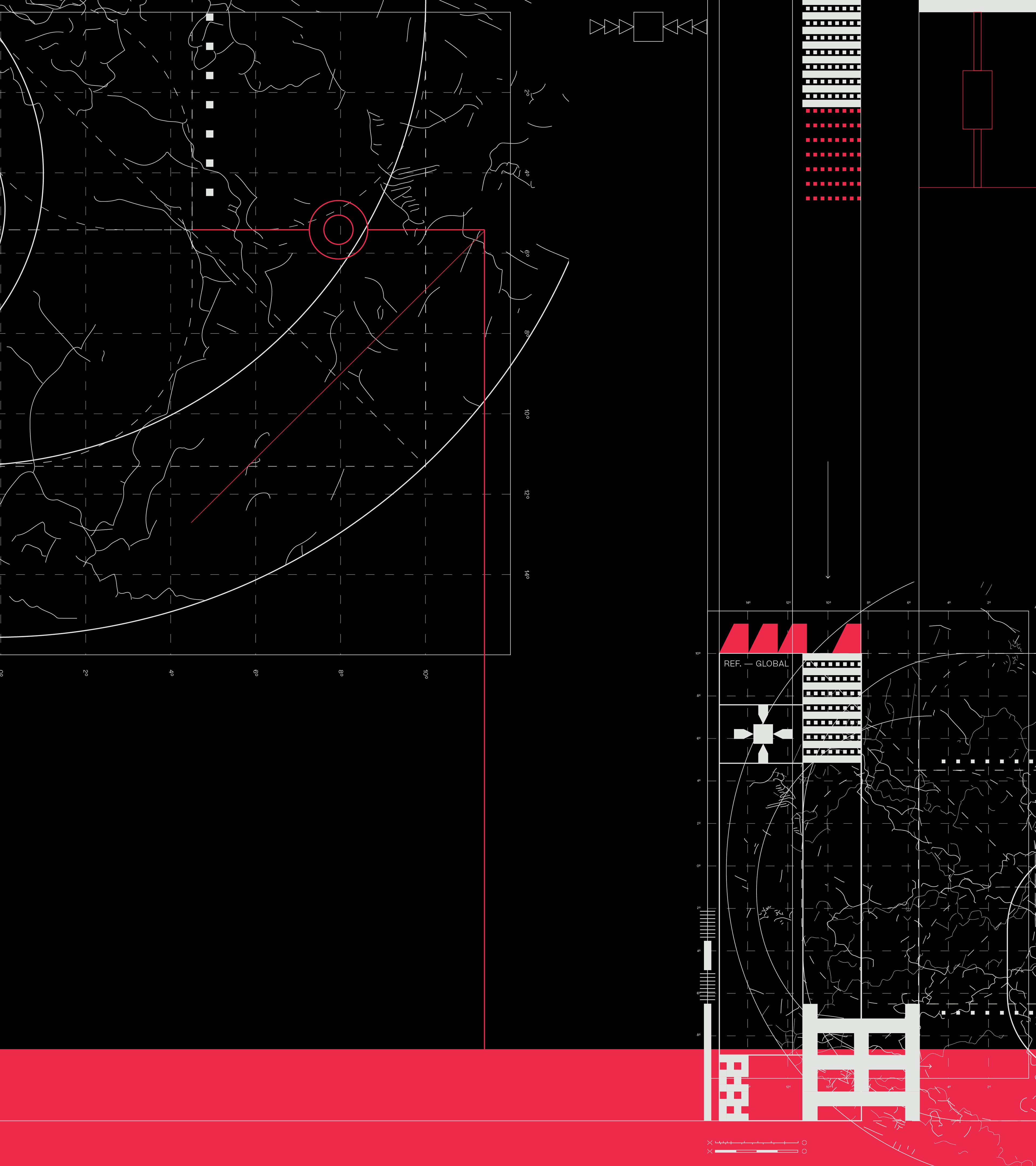
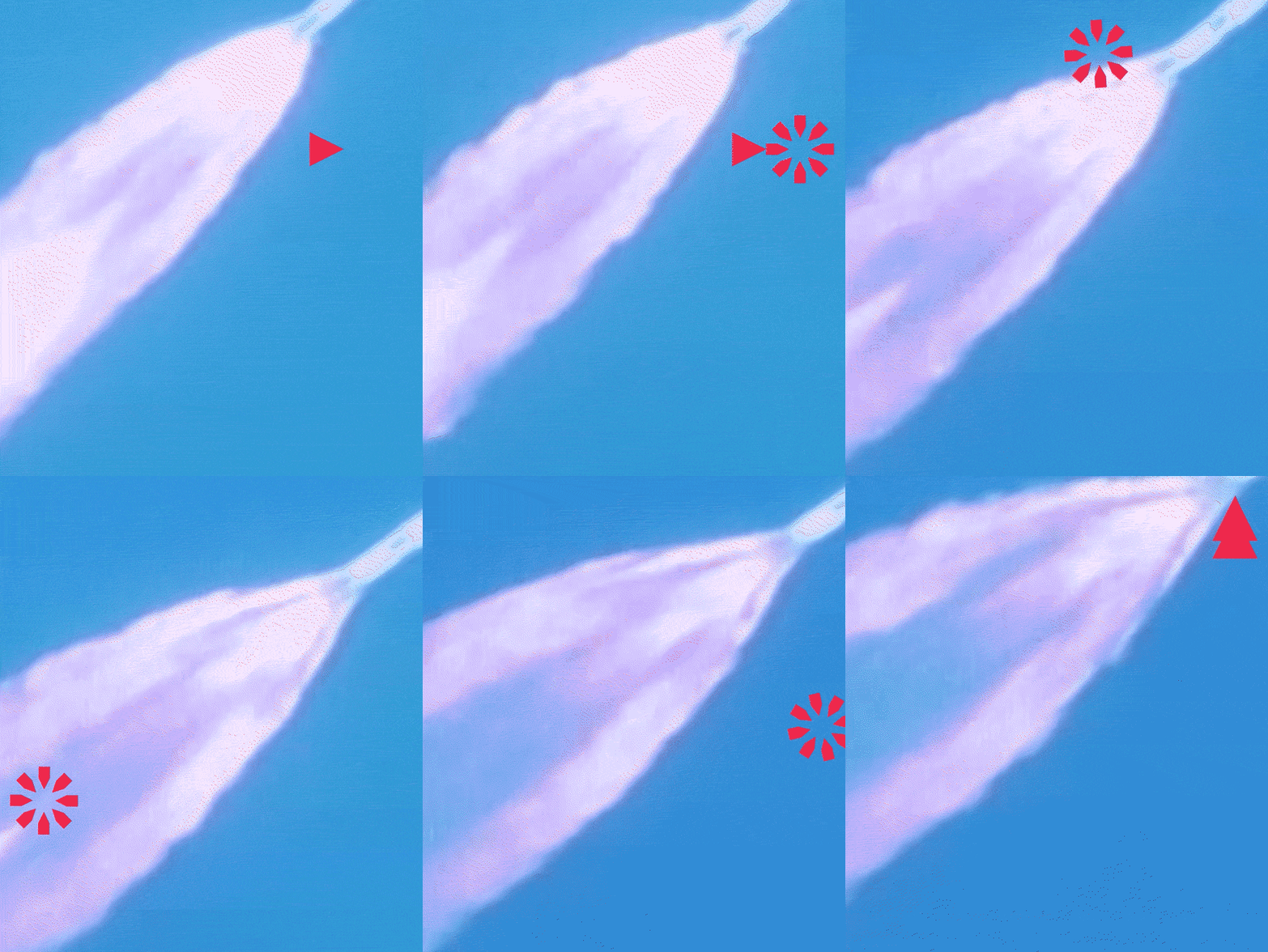
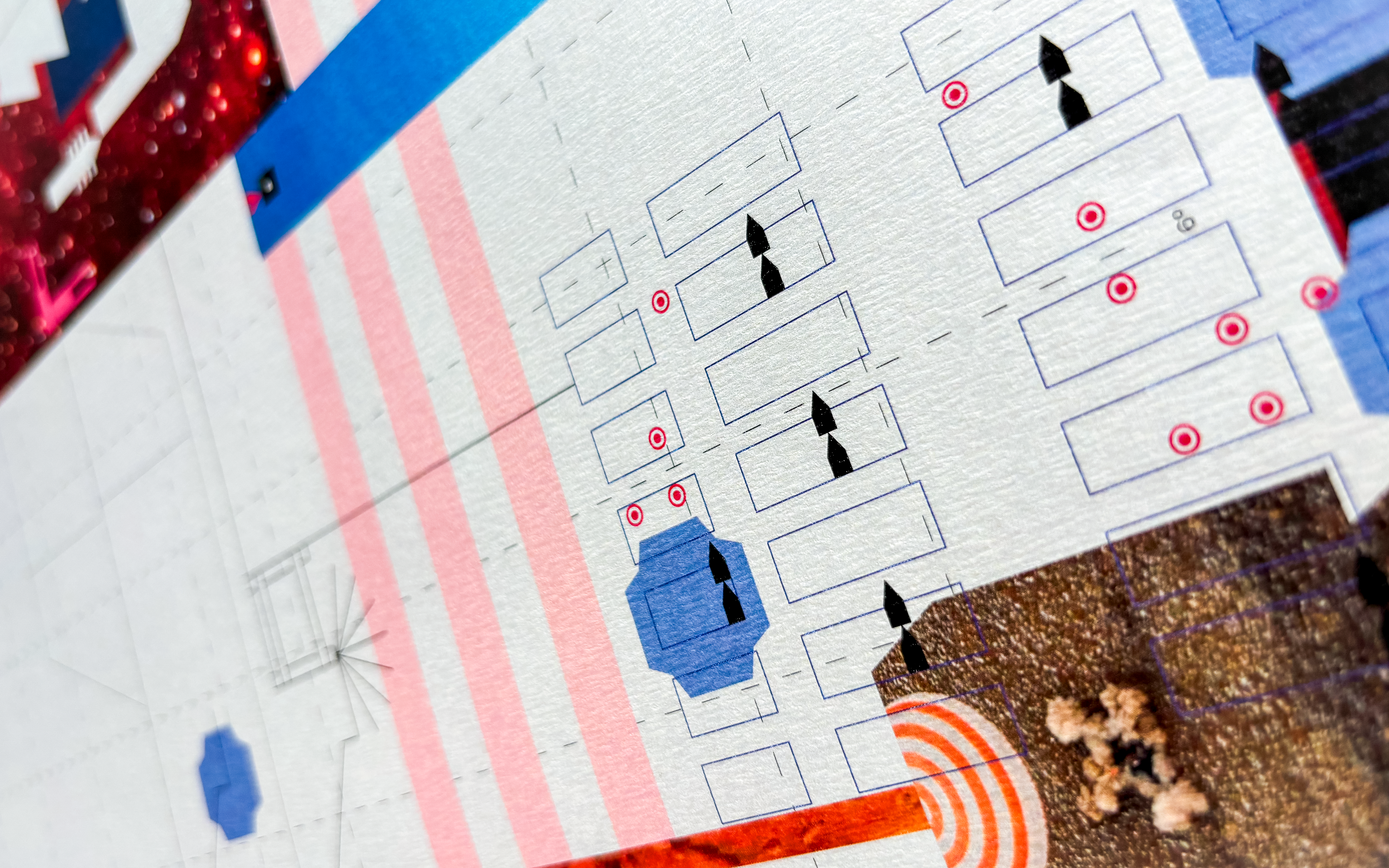
INTERPLANETARY ATLAS
惑星間地図帳 _ ATLAS INTERPLANETARIO
[28 × 40 cm]
_ ✲
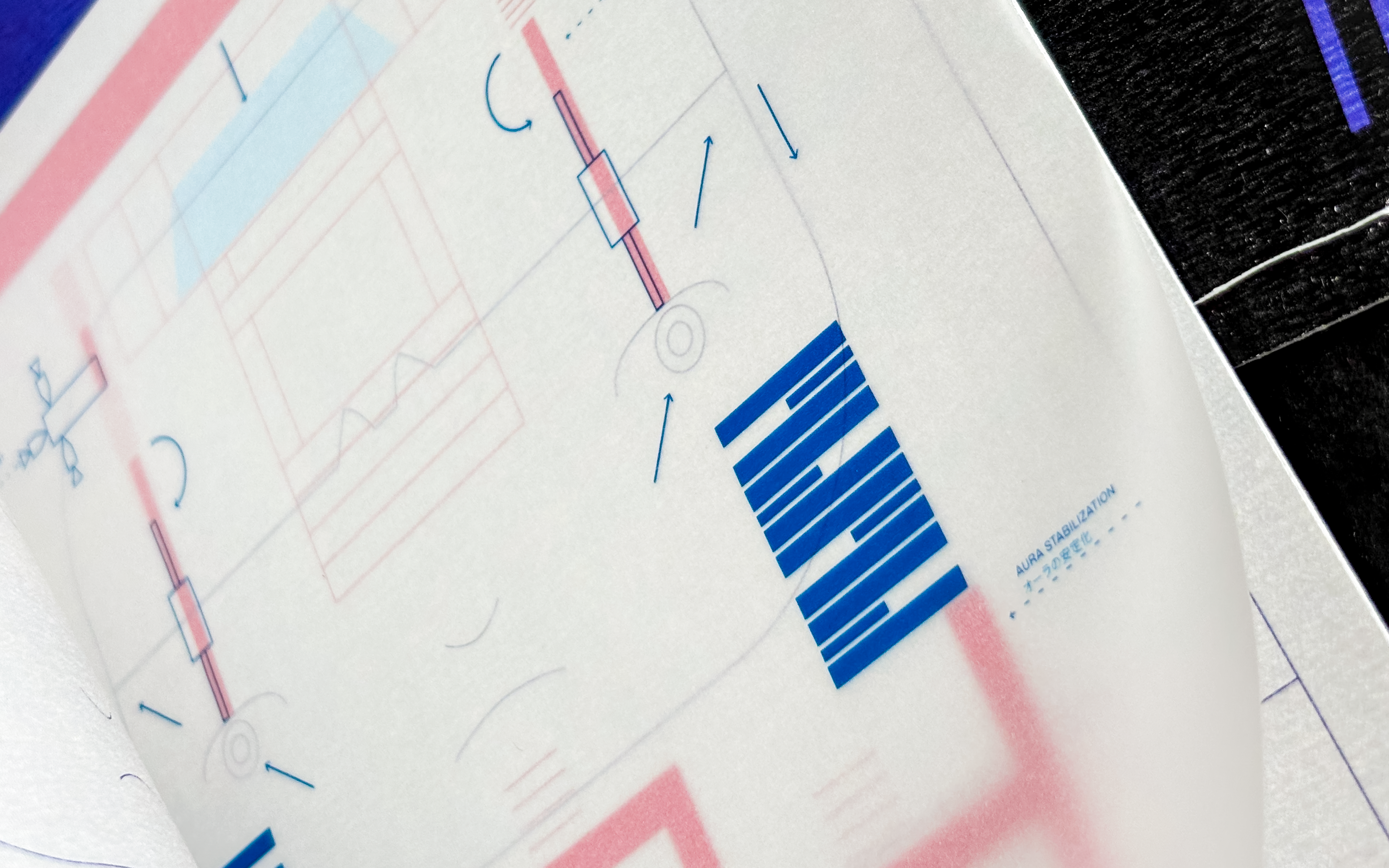
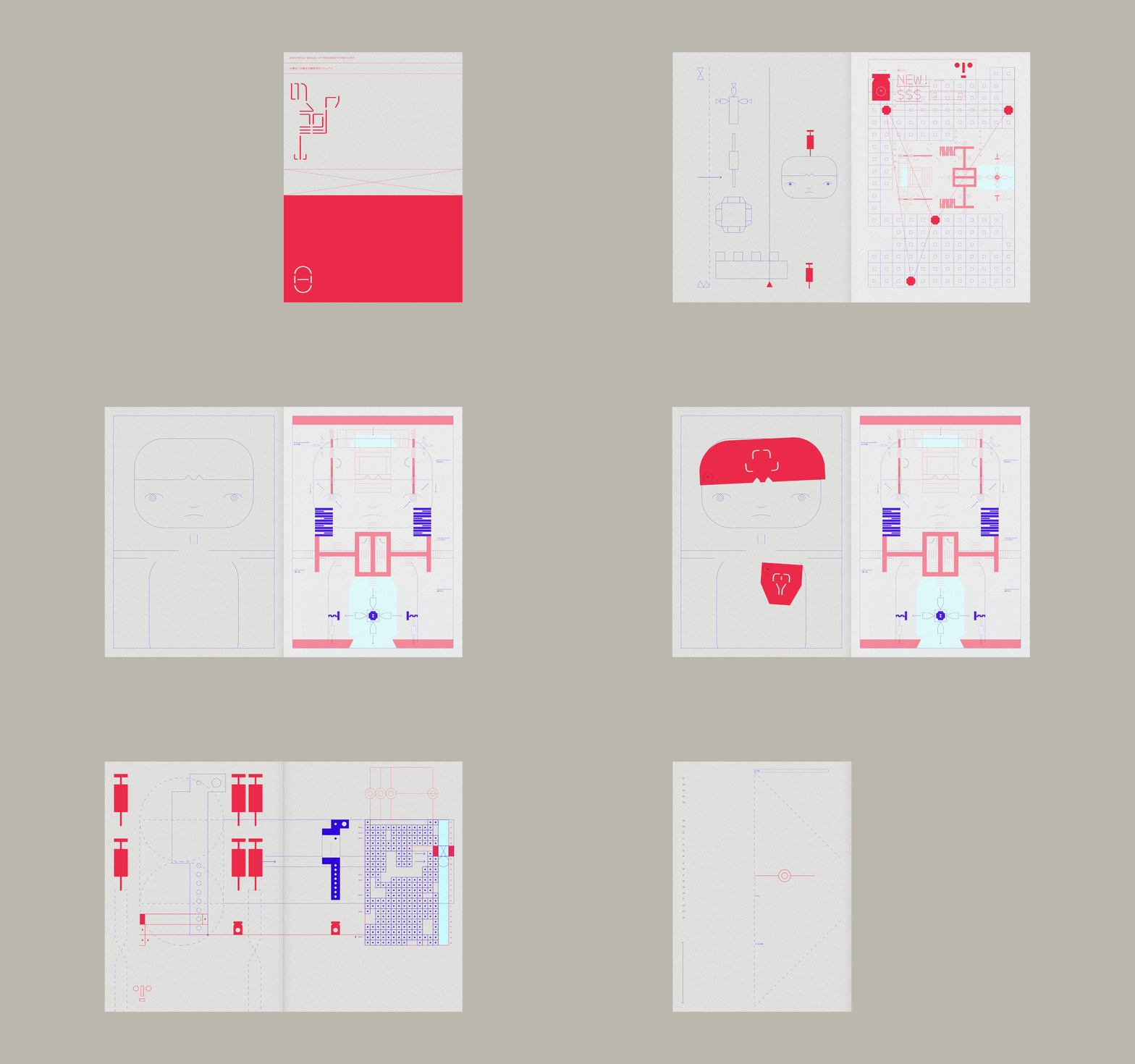
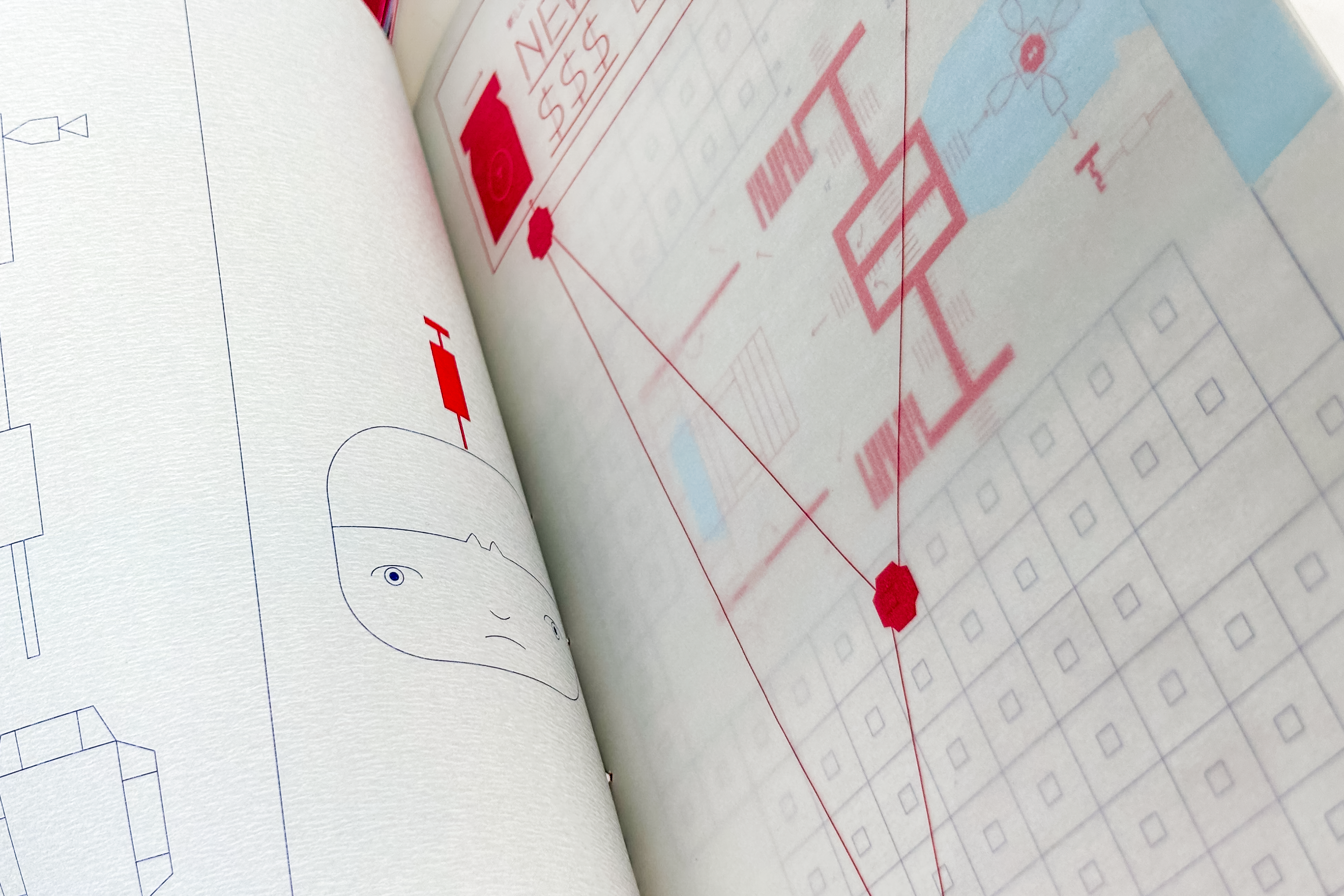
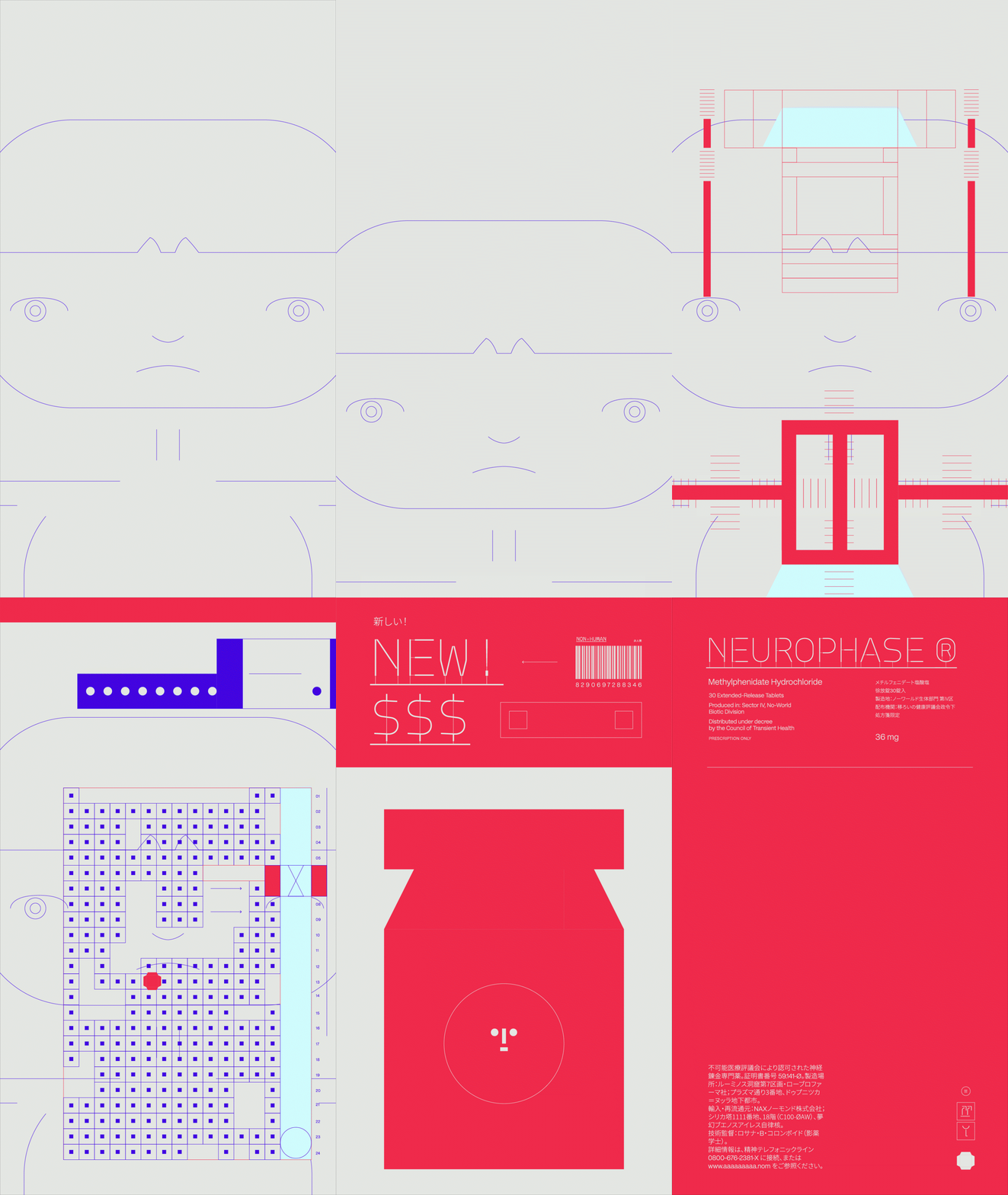
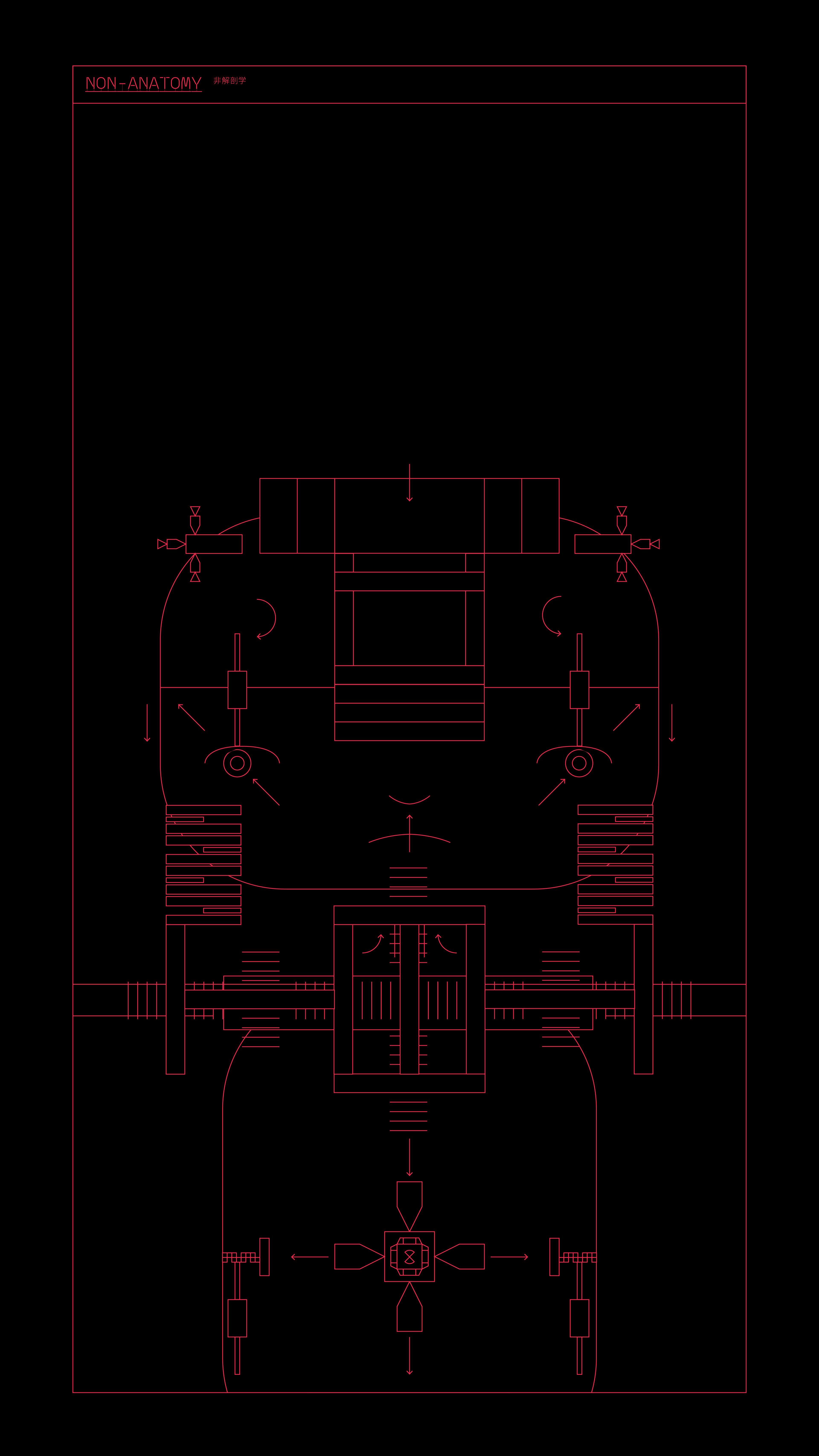
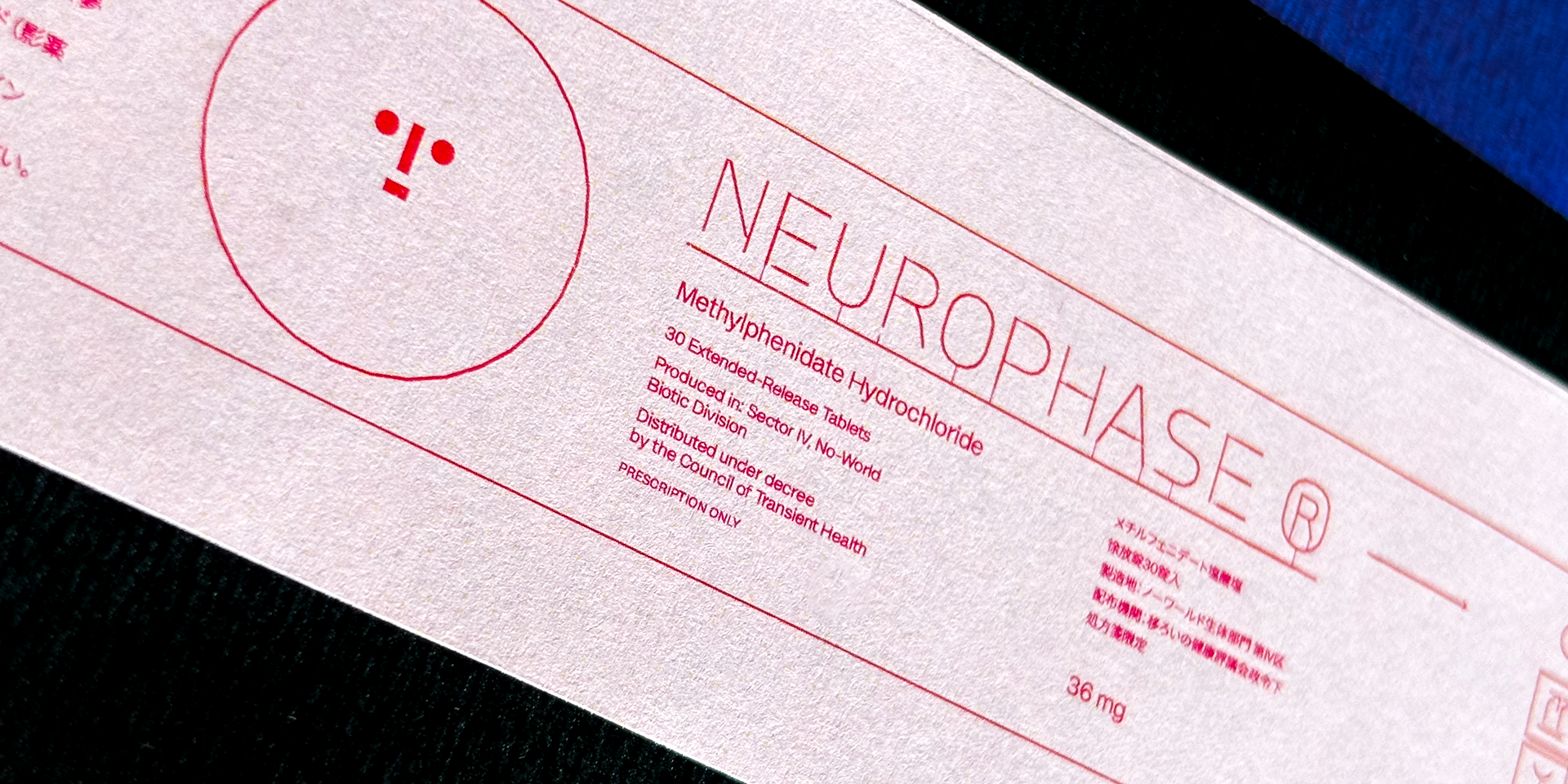
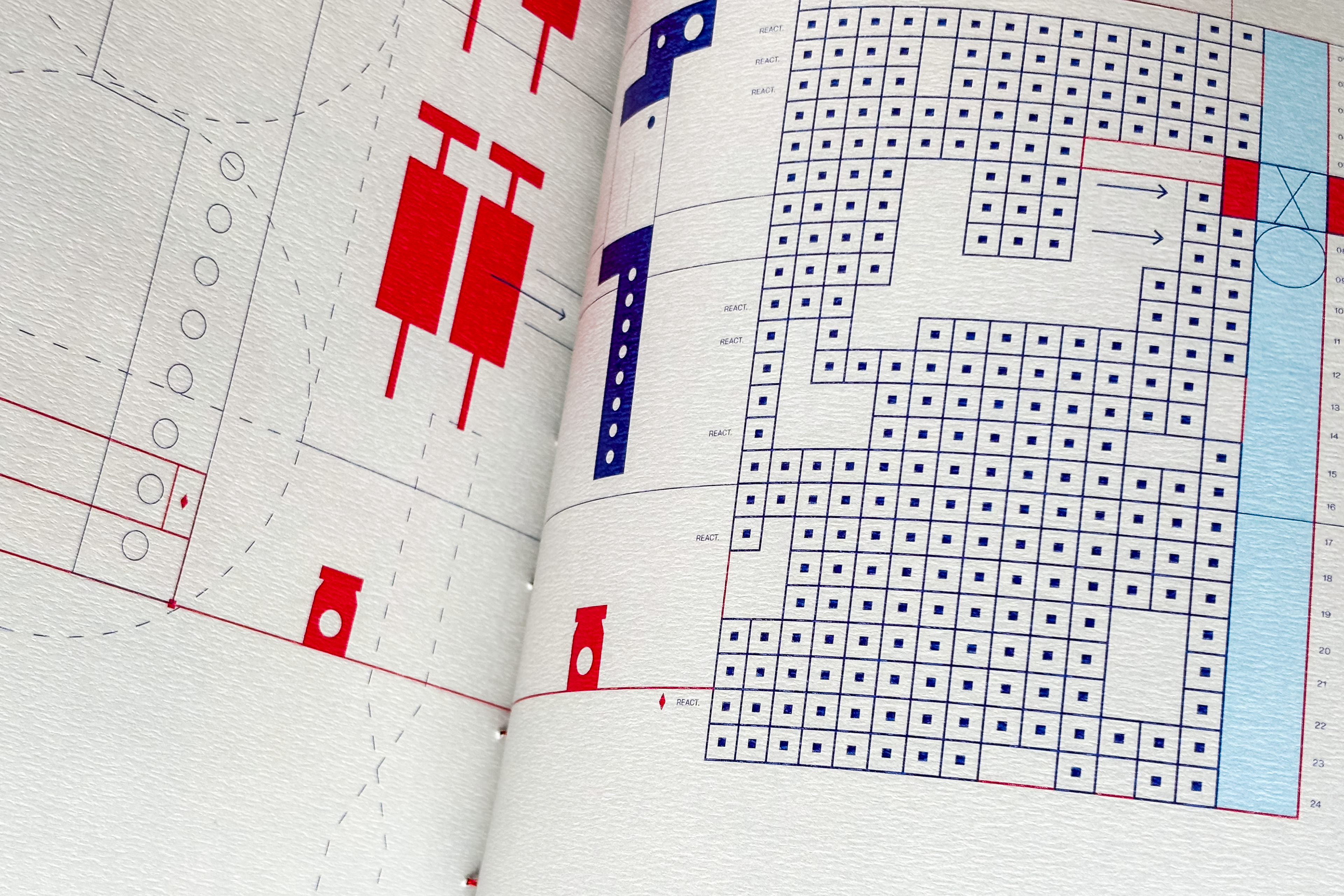
ANATOMICAL MANUAL OF TREATMENTS AND CURES
治療法と治療法の解剖学的マニュアル _ MANUAL ANATÓMICO PARA TRATAMIENTOS Y CURACIONES
[20 × 28 cm]
_ ✲
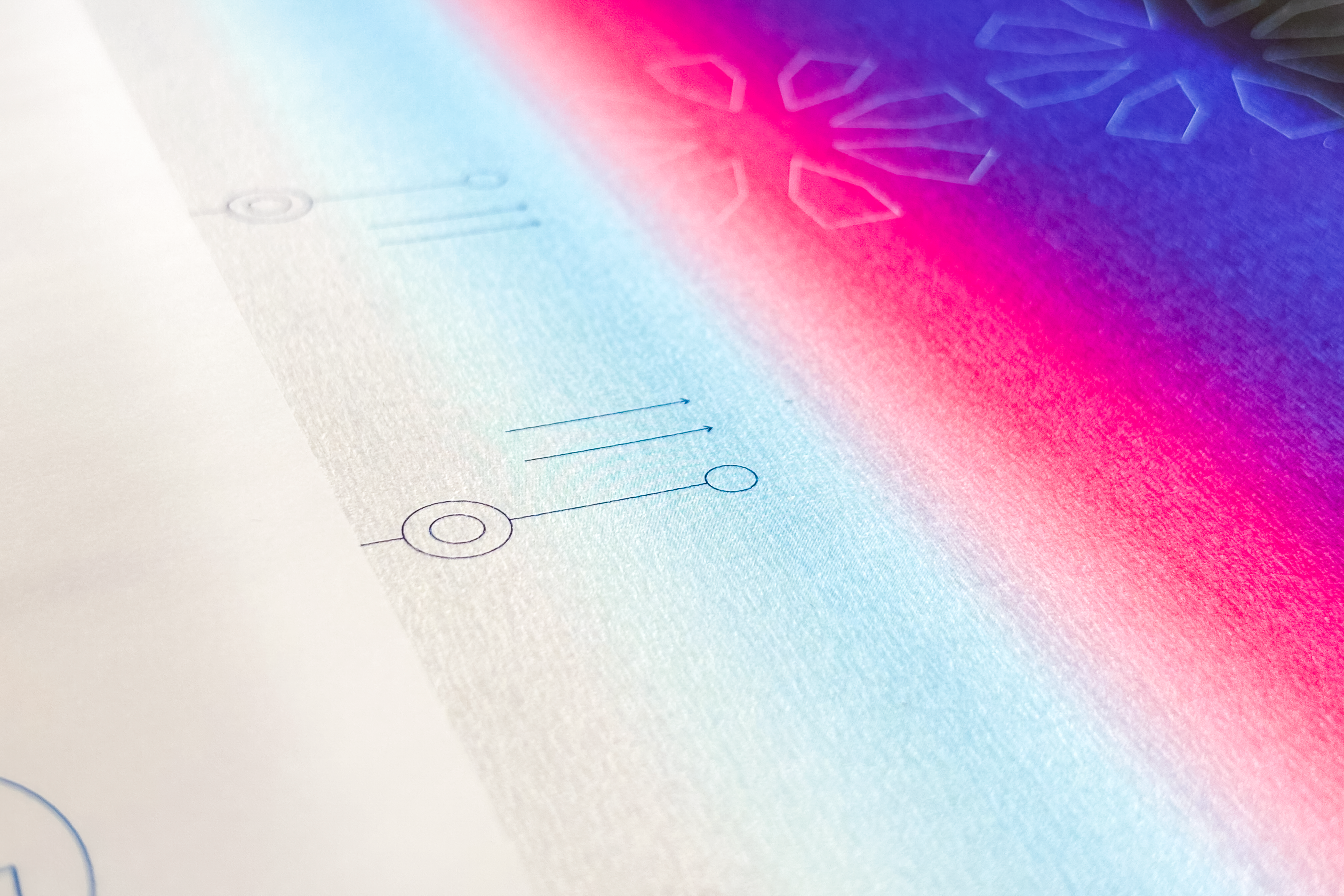
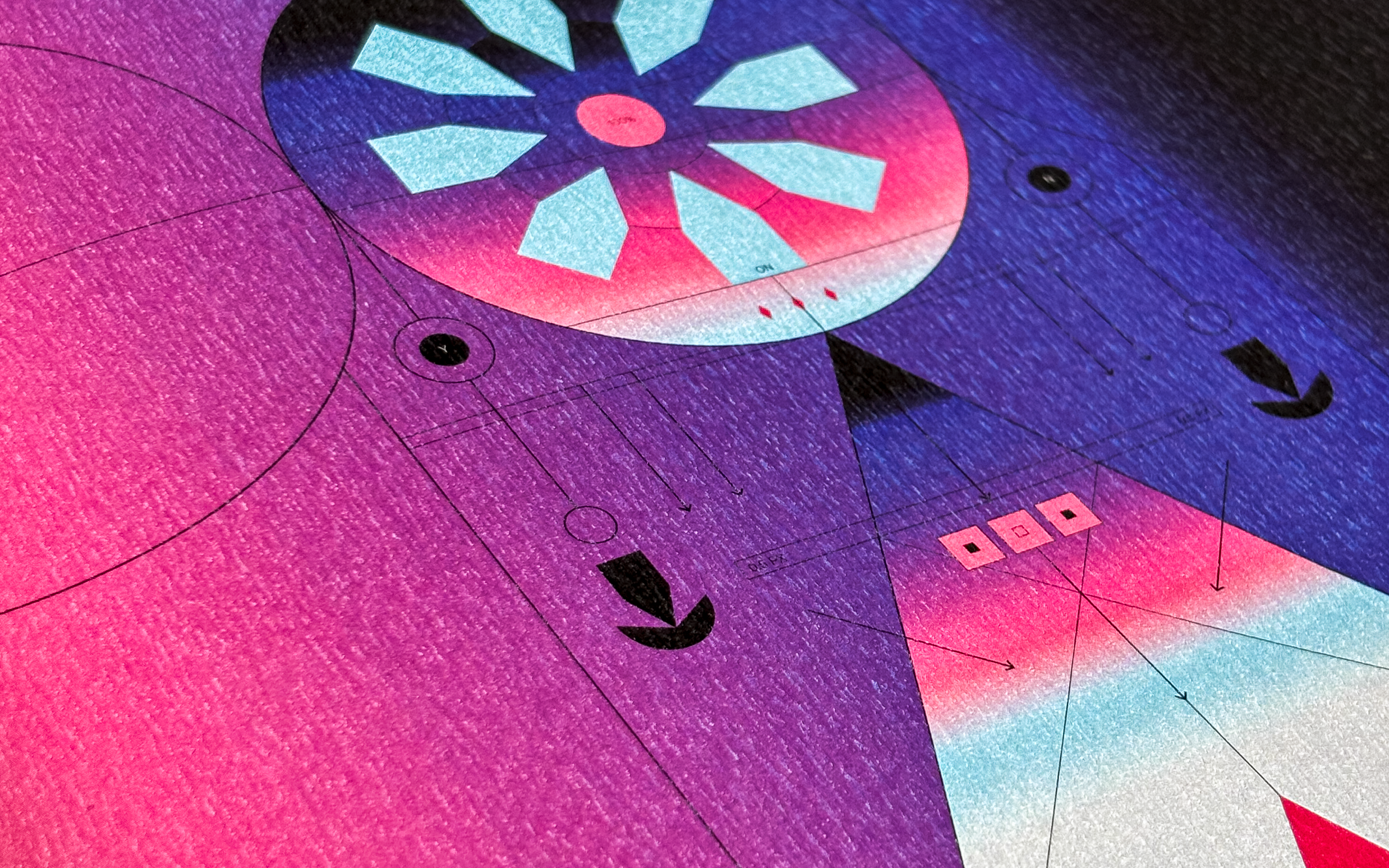
METAPHYSICAL CONSTITUTION TREATY
形而上学的構成条約 _ TRATADO DE CONSTITUCIÓN METAFÍSICA
[28 × 28 cm]
_ ✲
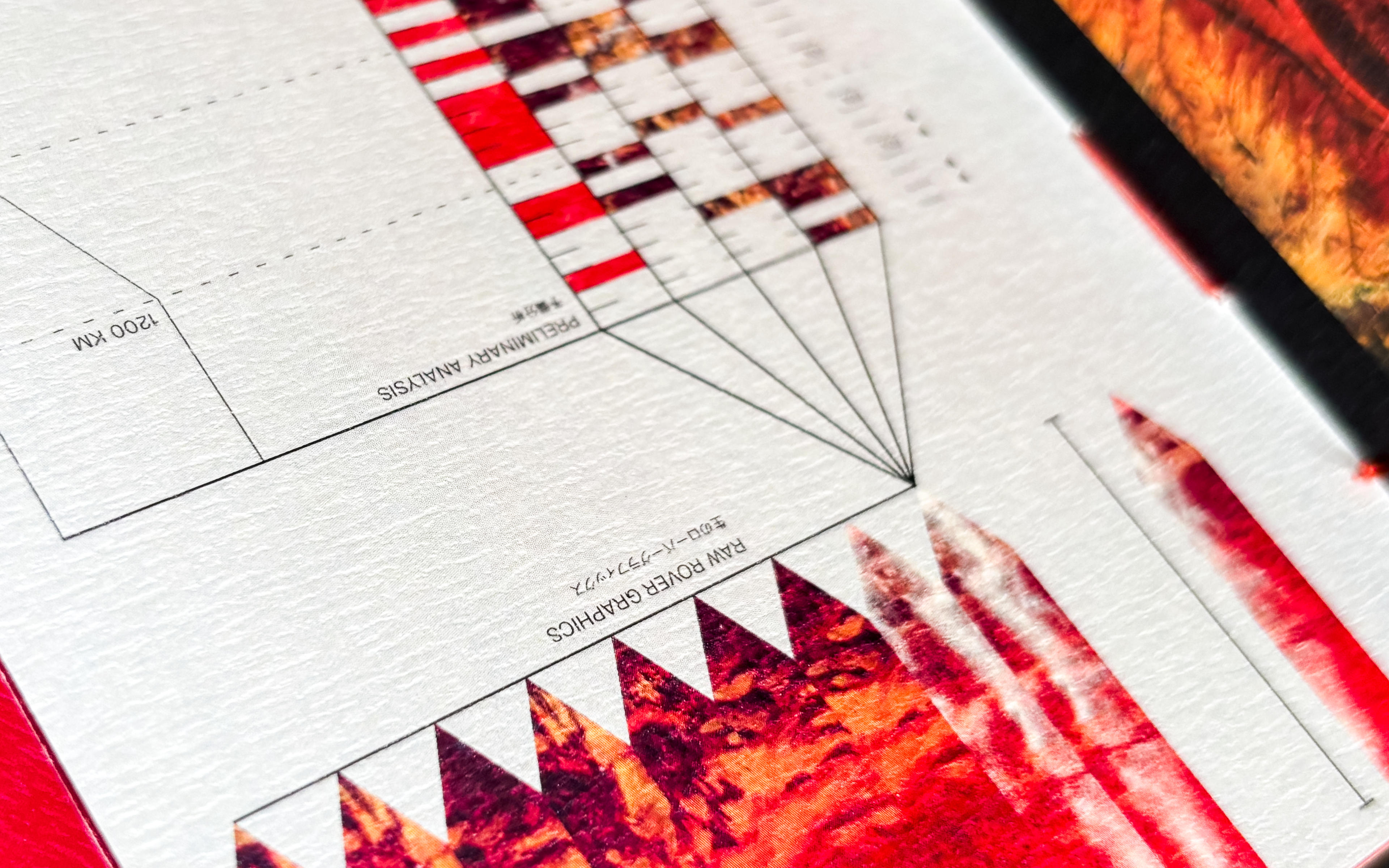
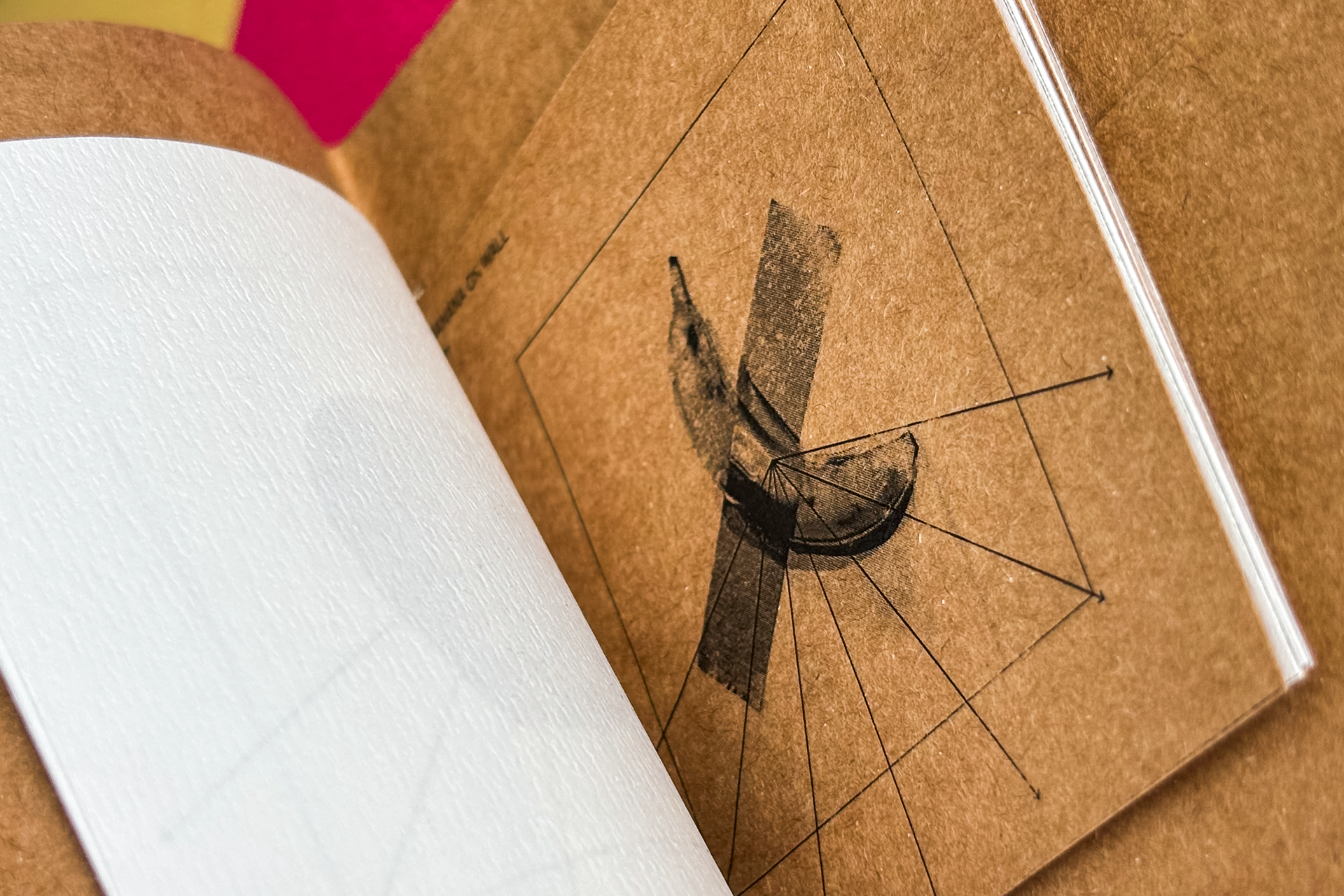
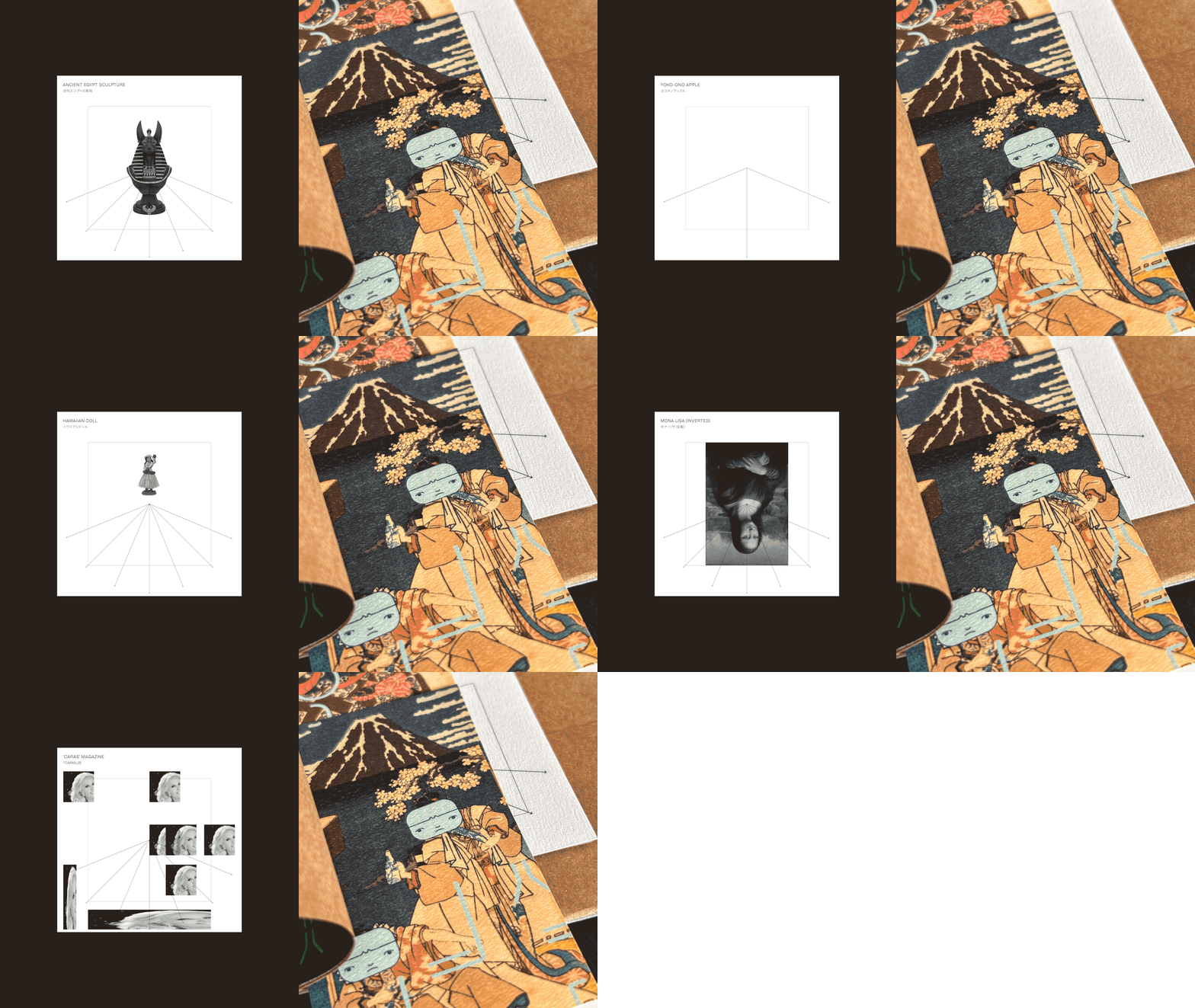
MISCELLANEOUS _ その他 _ VARIOS
[Various formats]
_ ✲
<3
:O
[20 × 20 cm]

[EN] _
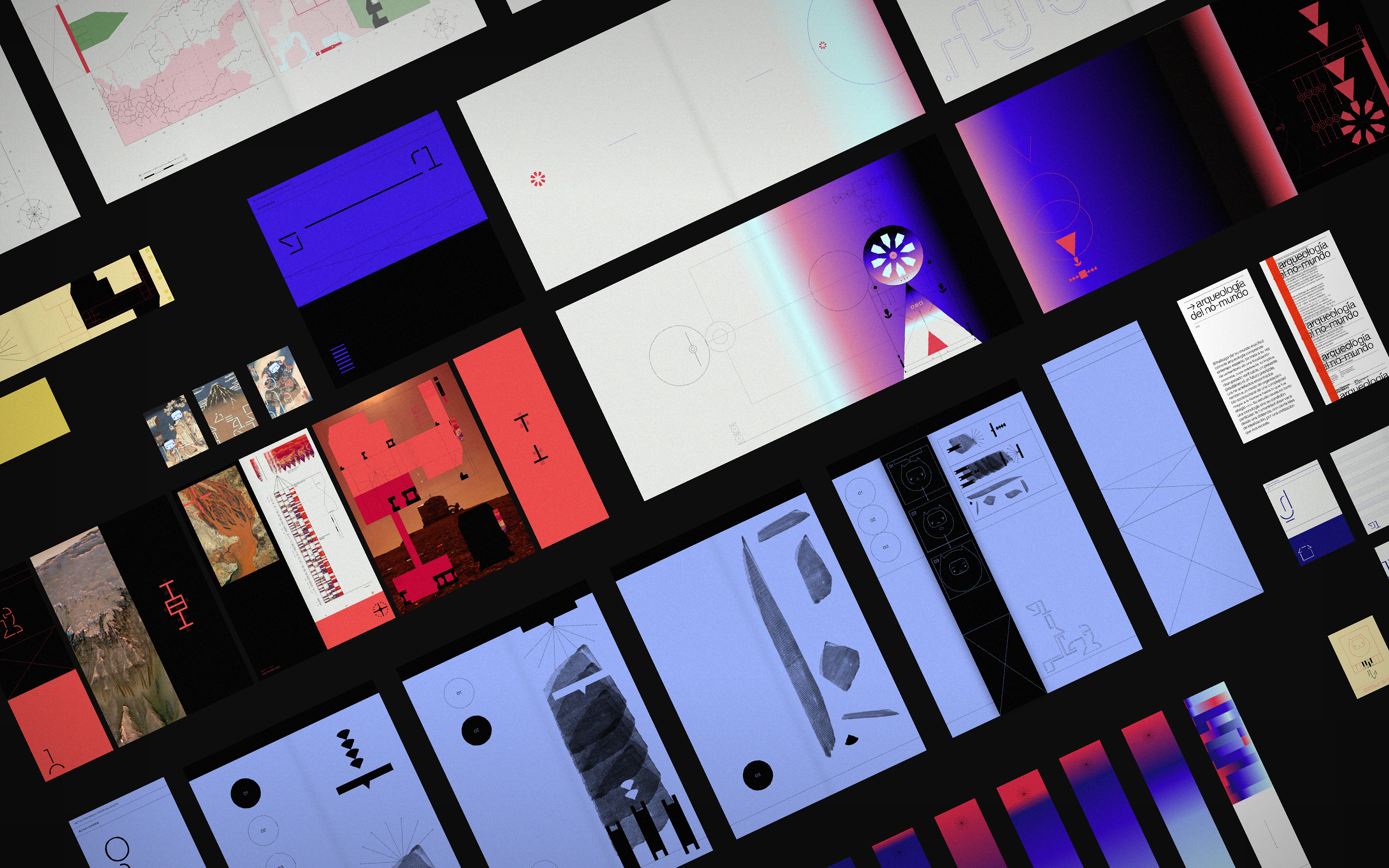
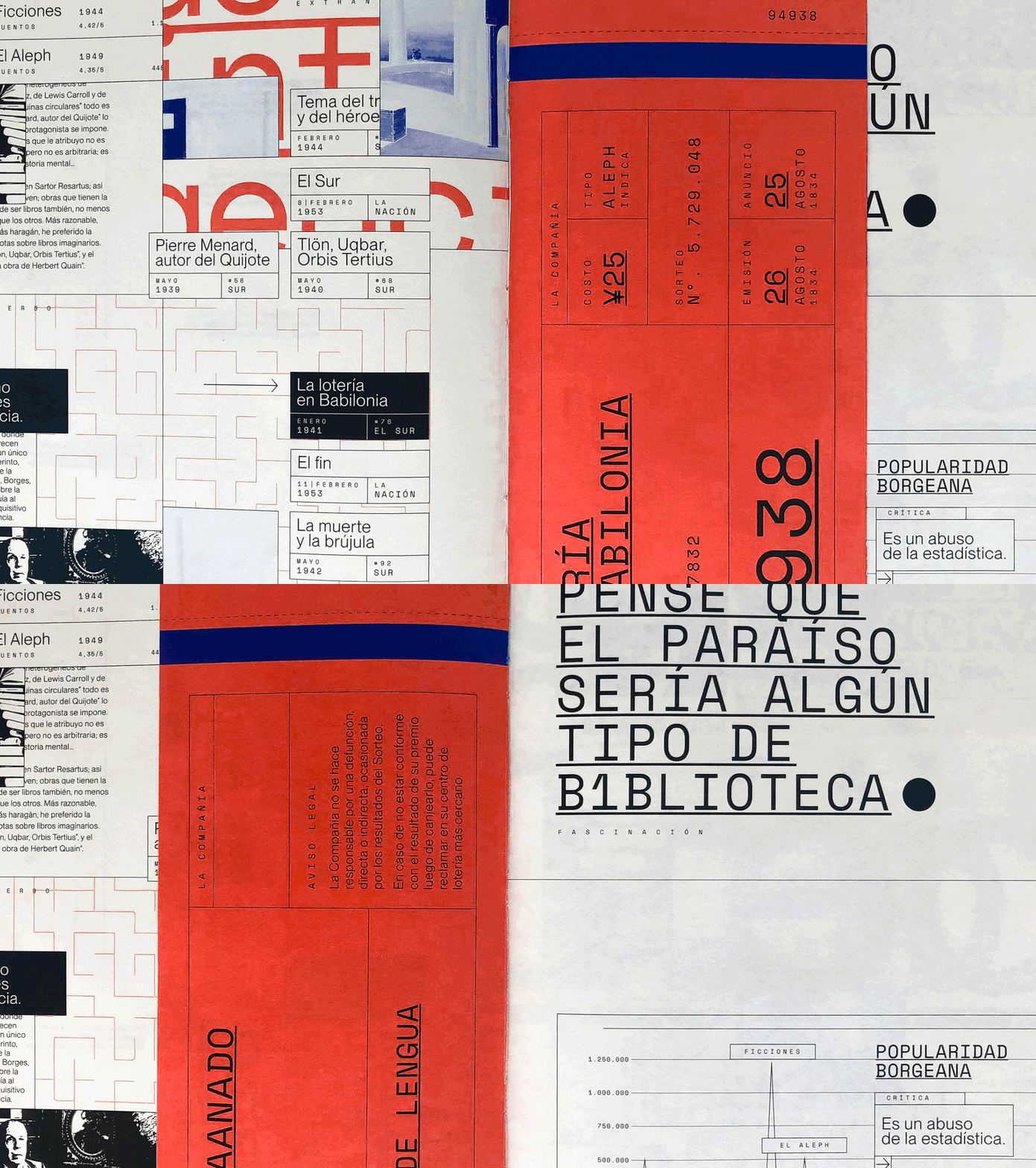
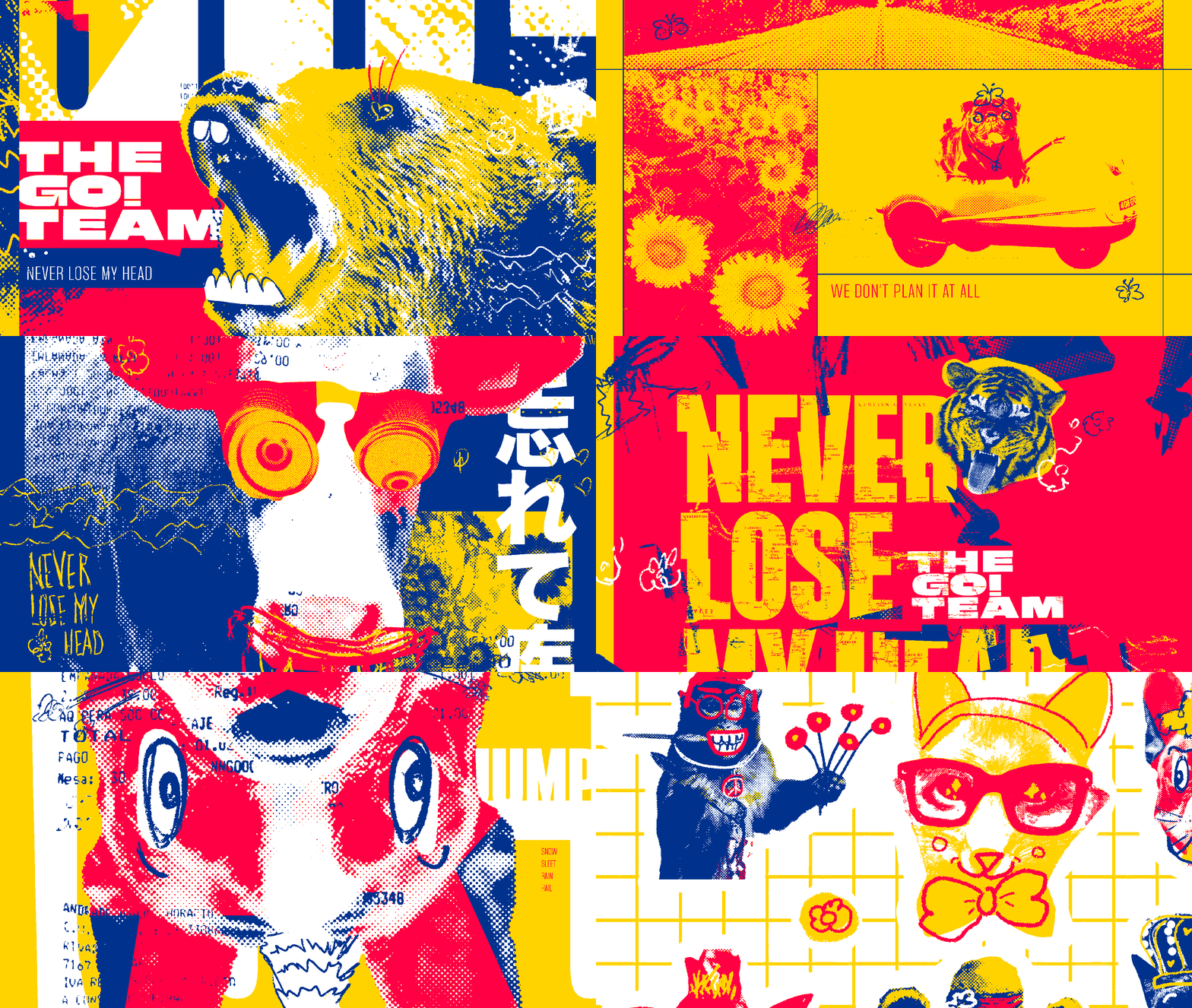
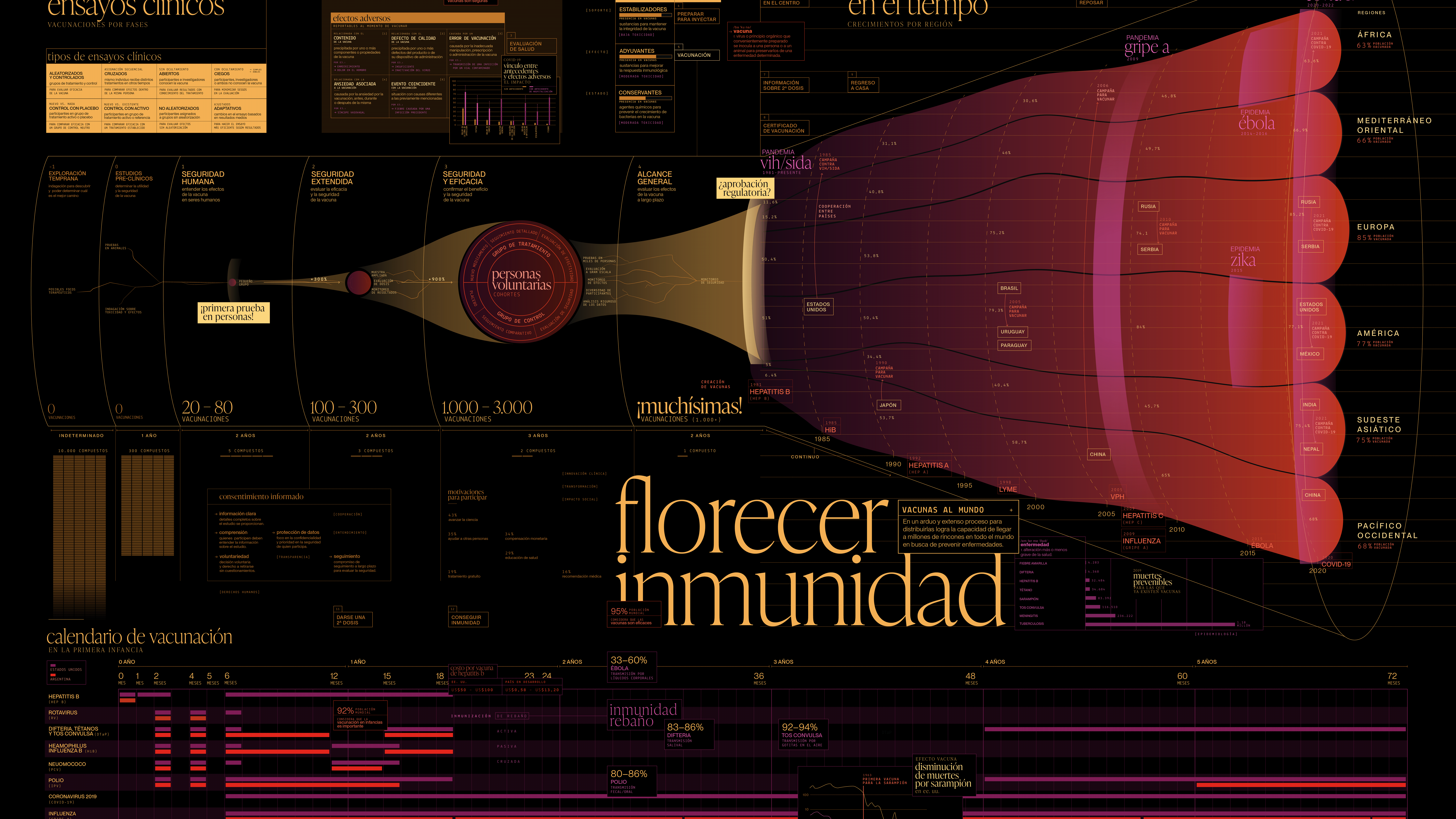
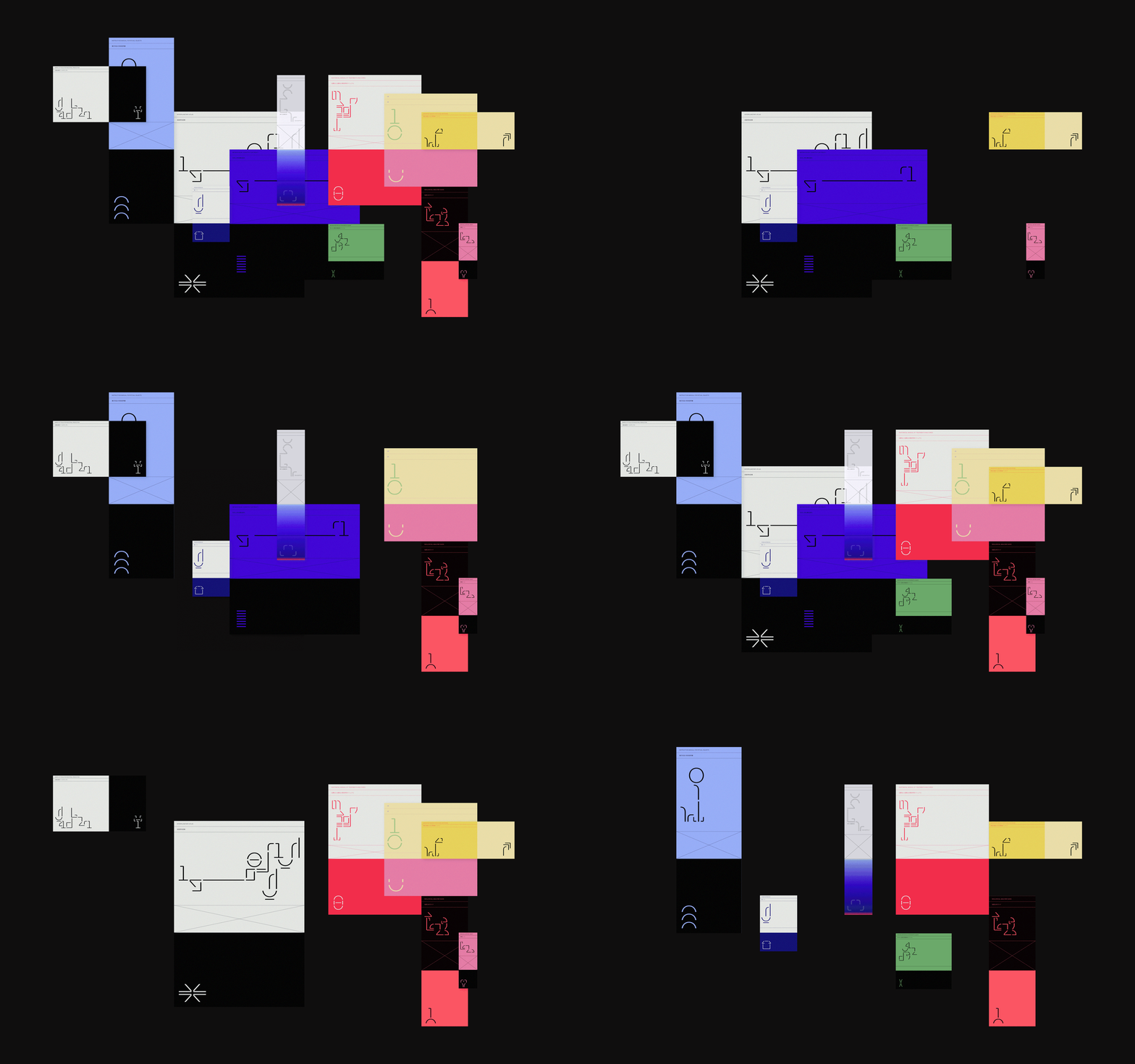
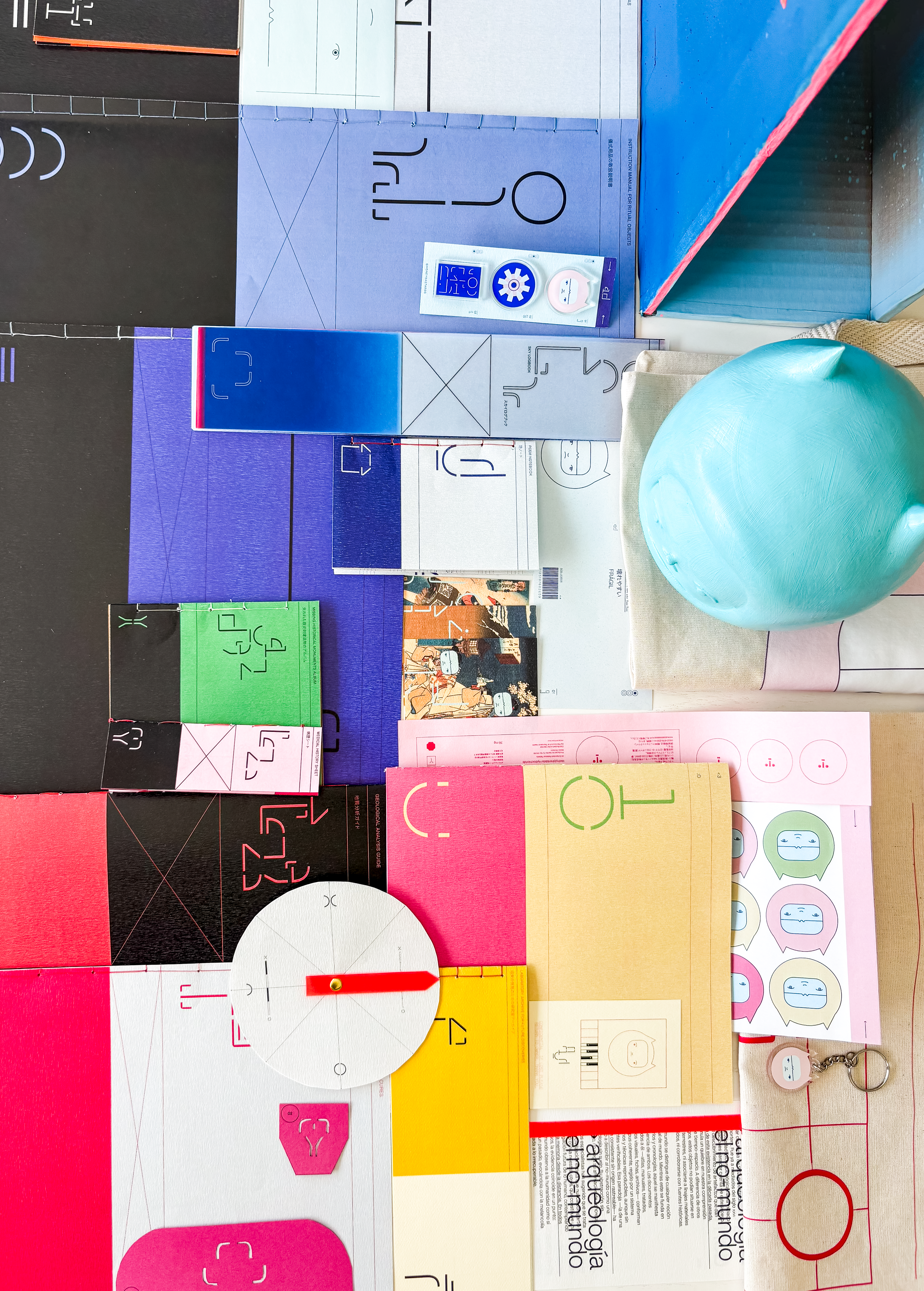
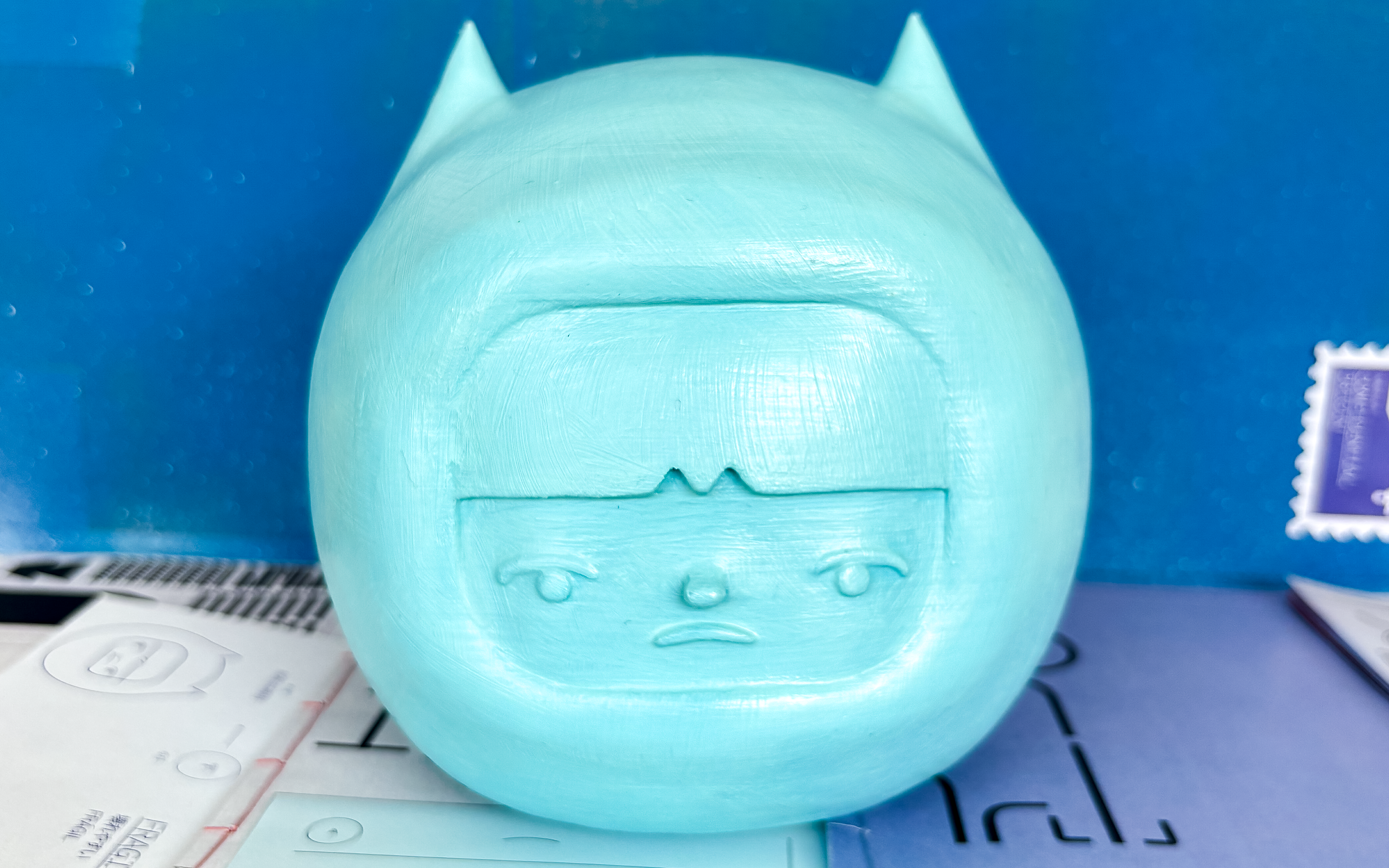
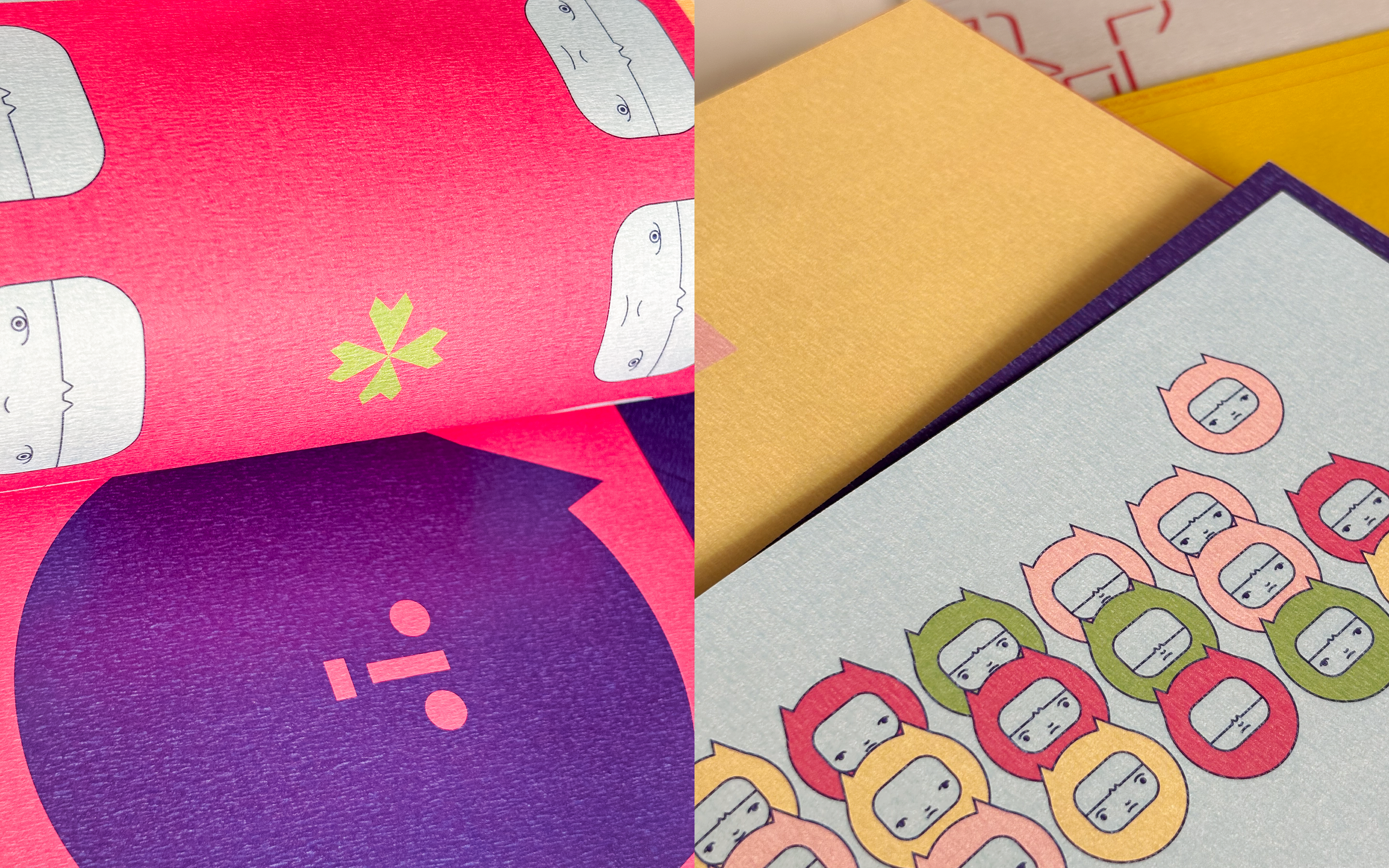
This multi-format editorial collection creates a vision of a possible future, articulating a macro-narrative that emerges from the combination of its various parts. Conceived from an archaeological perspective, the non-artifacts function as vestiges of a civilization with no traceable origin, but with a consistent cultural identity.
Archives, atlases, files, manuals, treaties, among others, challenge the idea of speech genres and establish its cultural corpus. From an approach that moves between the speculative and the absurd, the collection reveals new modes of communication and projectuality. Through design decisions linked to the ideas of classification and seriality, the project constructs a narrative that broadens the understanding of a speculative culture and manages to materialize it visually and tangibly in an editorial system.
The accumulation and volume of fragmented pieces allows the user to propose their own possible reading and articulate a narrative from its multiple entry points and perspectives, but also to become a witness to events that are undeniably false.
[ES] _
Esta colección editorial multiformato construye la visión de un posible tiempo futuro, articulando un macrorrelato que emerge en la conjunción de sus diversas partes. Concebidos desde una perspectiva arqueológica, los no-artefactos funcionan como vestigios de una civilización sin origen rastreable, pero con una identidad cultural consistente.
Archivos, atlas, fichas, manuales, tratados, entre otros, problematizan la idea de género discursivo y conforman su corpus cultural. Desde un abordaje que se mueve entre lo especulativo y lo absurdo, la colección pone en manifiesto nuevos modos de comunicación y de proyectualidad. A través de decisiones de diseño vinculadas a las ideas de clasificación y serialidad, el proyecto construye una narración que amplía la comprensión de una cultura especulativa y logra materializarla desde lo visual y lo tangible en un sistema editorial.
La acumulación y el volumen de piezas fragmentadas le permite a su interactuante proponer una posible lectura propia y articular un relato desde sus múltiples entradas y perspectivas, pero, también, a convertirse en testigo de acontecimientos irrefutables en su falsedad.